
Make One Ad Three Ways (and make it a documentary)

What's the play
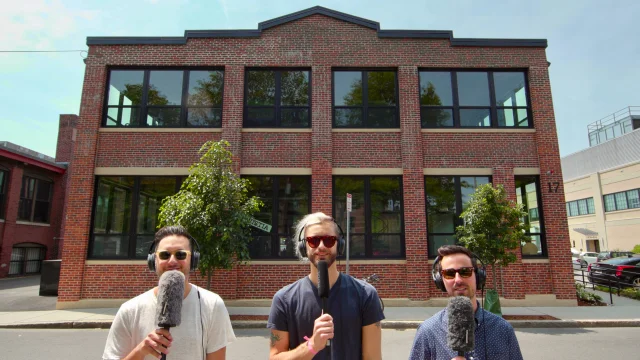
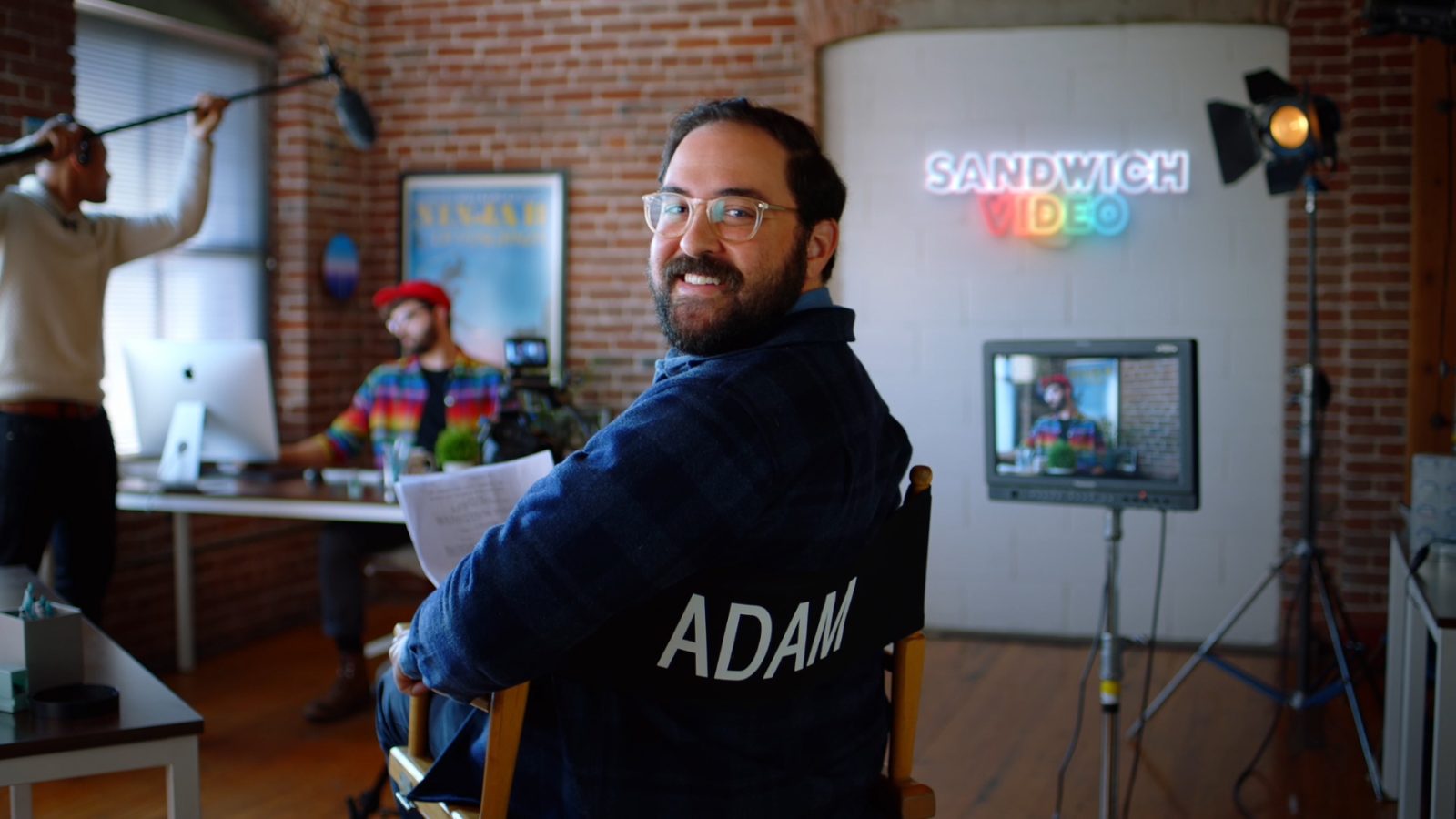
You hire a respected production agency to make the same ad three times, once for a thousand dollars, once for ten grand, and once for a hundred grand. While they work, you film everything and cut it into a documentary series. The three ads sell your product directly. The documentary about making them becomes its own marketing engine, stuffed with enough real filmmaking craft that people watch it for the fun of it.
What was the alternative?
Commission one polished product ad, run it, and move on. Or shoot a single explainer in-house and call it done.
Results / what moved
$6.66
cost per install on YouTube
234%
lift in Soapbox searches
~7,000
leads from the trailer alone
The $10K ad won. It drove installs about twice as efficiently as the $1K and $100K versions, at roughly half the cost per install. On YouTube it landed around $6.66 per install versus over $10 for the other two. The $1K ad, shot on an iPhone, held its own against the $100K Hollywood production. Facebook drove a 234% jump in searches for Soapbox. The trailer alone pulled in close to 7,000 leads at under $5 each over a three-week window. The documentary later won a Webby for best video series.
Cost breakdown
Around $111,000 to produce all three ads, plus about $60,000 in media spend to promote them over three weeks.
Time to pull off
A few months end to end.
Would you run it again?
Yes. Wistia treated the series as a reusable audience engine, with each future series easier to launch off the last one's viewers. The Webby win and the install numbers made the six-figure production risk pay off.
Steps
- 1
Pick a self-selling premise
Choose a content idea where your product is the subject. If you sell video tools, make content about making videos, so every viewer becomes a prospect.
- 2
Set three budget tiers
Hire one production team to make the same ad at three very different budgets. Wide gaps make the comparison interesting and the story worth watching.
- 3
Film the making-of
Point a camera at the entire process. The behind-the-scenes footage becomes the real asset, a docuseries people watch for fun.
- 4
Launch the ads as a real test
Run all three ads with equal media spend across YouTube and Facebook. Track a revenue-tied KPI like cost per install.
- 5
Tease with a trailer first
Cut a short trailer and promote it before the series drops. Use it to capture leads and build an audience pool for the launch.
- 6
Publish the results as a report
Turn your findings into a downloadable report. The data gives other marketers a reason to share it and link back to you.
- 7
Reuse the audience
Hold onto the audience you built. Each future series launches faster off the last one's viewers.
Notes
The catch is the price tag. $111K in production before a single dollar of media is nowhere near scrappy, so this play really fits a company selling the exact thing the content is about. Wistia sold video software and made content about making video, so every viewer was a prospect. Critics also poked holes in the methodology. The shared creative concept was arguably a $10K idea from the start, and serving the ads side by side pushed viewers to compare them, which tilted results toward the middle tier. If you try this, pick a premise that doubles as a live demo of your product, and decide upfront whether you want clean experimental data or just great content. YouTube drove installs more efficiently while Facebook drove awareness, so split your channels by goal.
Tools & resources used
 Wistia
 Google
 Facebook
Comments
Sign in to join the conversation.