9 guerrilla marketing ideas that aren't boring
A piece of cardboard beat every booth at Dreamforce. While each vendor spent five figures on backlit signage, UserGems wrote "free beer" on a scrap of cardboard with a sharpie and held it up outside their lounge. It pulled 578 attendees and hundreds of thousands in pipeline. The cheapest thing in the room can win because it's the only thing that looks human and sadly human is what stands out now.
Below are nine B2B and B2C guerrilla plays that actually worked, with the receipts. Here they are at a glance before the breakdowns.
| Play | Company | Cost | Result |
|---|---|---|---|
| Cardboard "free beer" sign | UserGems | a sharpie and cardboard | 578 attendees, six-figure pipeline |
| Toilet ad auctions | Motion by Nick | a projector, a few hundred dollars | 40M+ views on one video |
| Foreign-word billboards | Airlearn | one short billboard run | 25M views in 10 days |
| Webinar protest at INBOUND | Sequel.io | ~$3k | most-photographed thing outside the venue |
| Honest Times Square billboard | Cluely | $375k for four weeks | traffic 4x, later a $15M Series A |
| Wreck-a-car launch | Ramp | undisclosed | 3x its best launch, 73% higher click-through |
| Lemonade stand launch | PostHog | lemonade and a bus ad | organic LinkedIn buzz past the sidewalk |
| Fake "Zendesk Alternative" band | Zendesk | a microsite | page one for "zendesk alternative" for ~10 years |
| Sidewalk chalk logos | Kapwing | a few boxes of chalk | free ad space where foot traffic is steady |
1. UserGems beat every booth at Dreamforce with a cardboard sign and sharpie
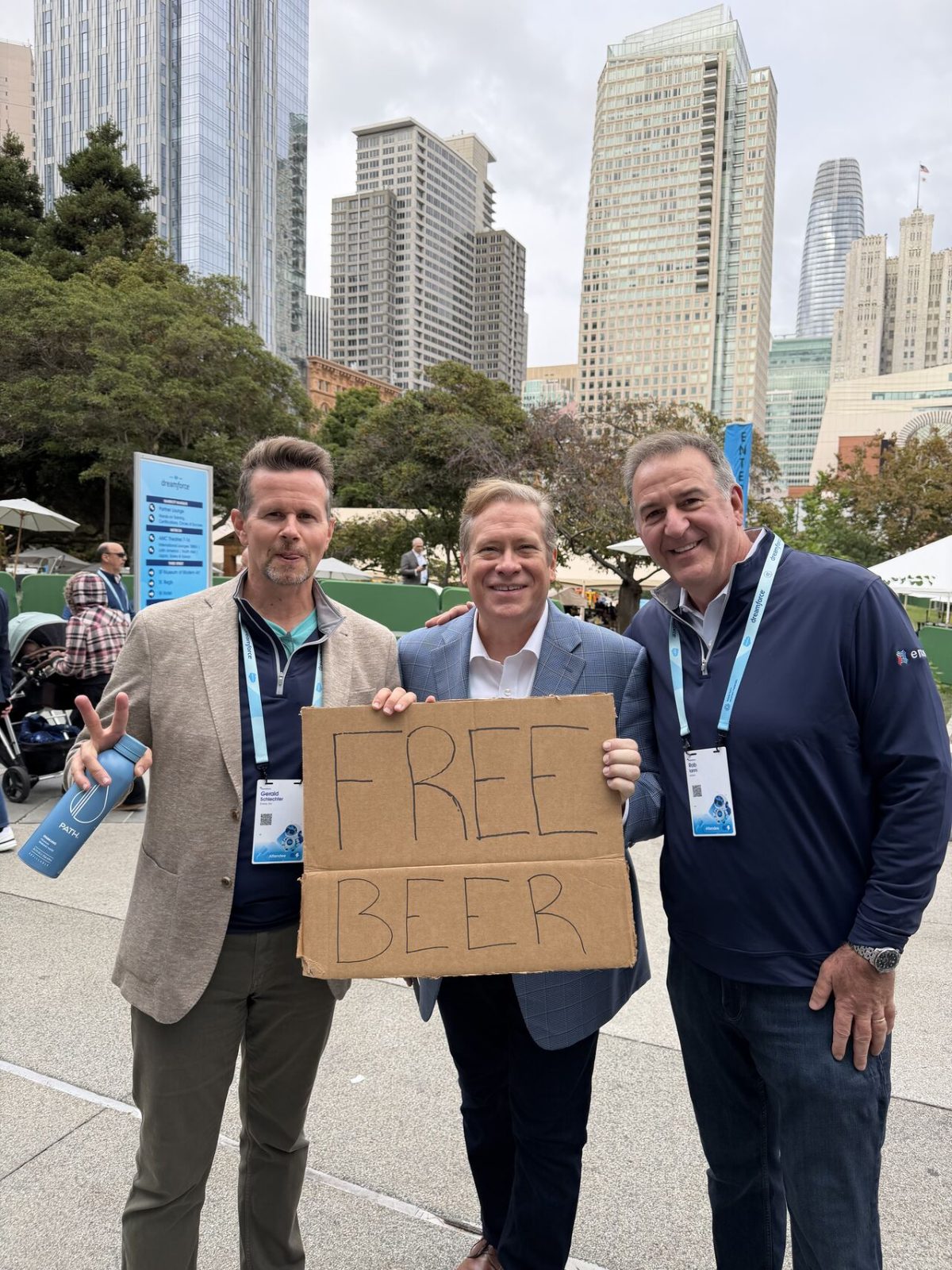
UserGems skipped the polished sign entirely. A piece of cardboard, a sharpie, "free beer," and a person willing to stand in the crowd holding it. Total cost was the cardboard and the beer. That handmade scrawl cut straight through a sea of identical corporate banners, and 578 people followed it back, driving hundreds of thousands in pipeline. Now remember, the lesson here isn't to always be cheap, it's that sometimes the simplest answer to drawing people in comes from the question "what do people want to see" and sometimes the people want beer.
2. Motion by Nick turned a toilet into 40 million views
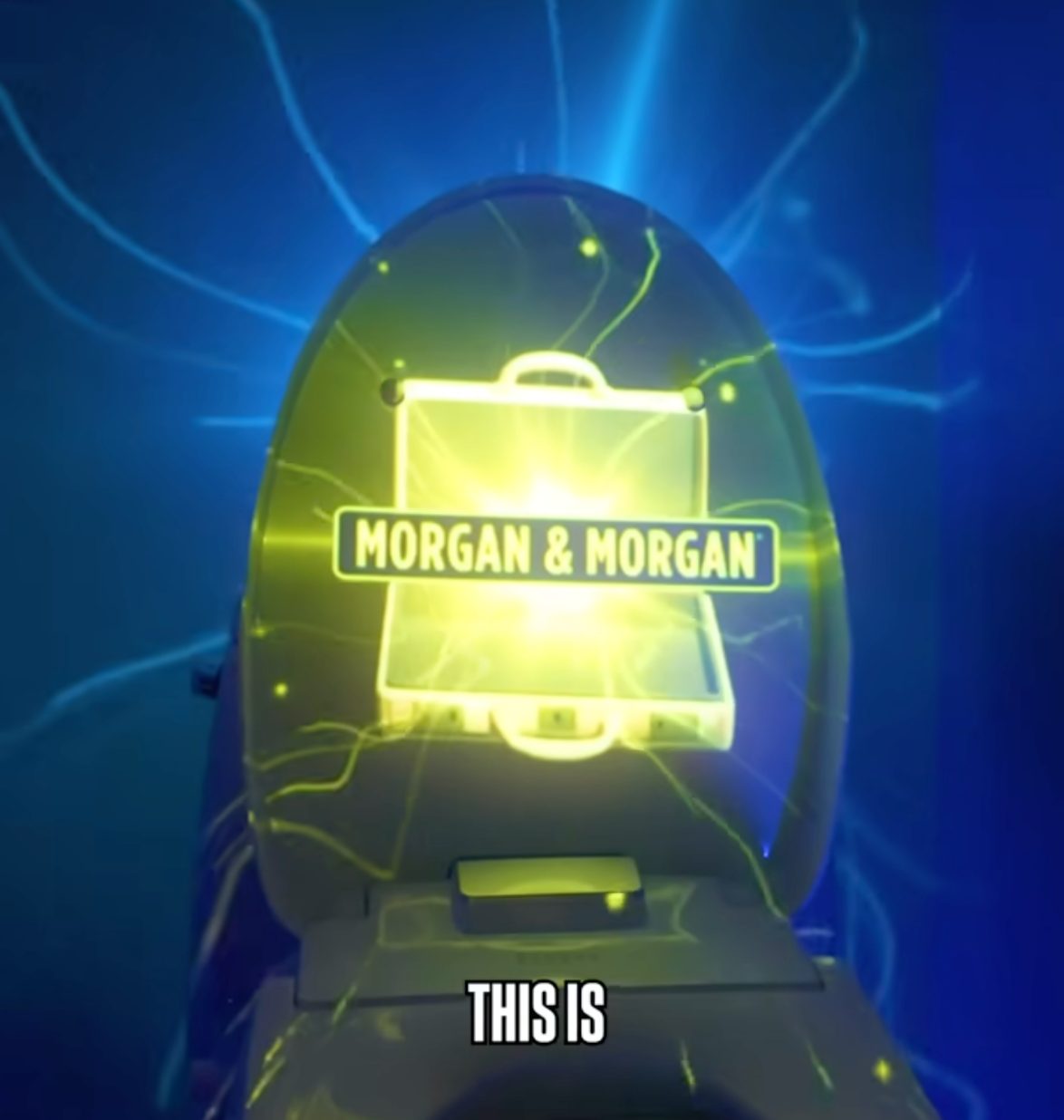
Motion by Nick sold ad space on his toilet. He projection-mapped brand logos onto his own toilet bowl, posted transparent prices, and let companies bid to be crowned "King of the Throne." Clorox, Pine-Sol, MiraLAX, Dr Squatch, and MoonPay all bought in and bid each other up in public. One video crossed 40 million views. MoonPay said it pulled a million Instagram views and 1,000 new followers in 24 hours for a spend worth 0.05% of its annual budget. Nick passed $100k in six months and got national radio coverage. He ignored every "why would anyone pay for this" comment and kept going.
3. Airlearn's foreign-word billboards hit 25 million views in ten days
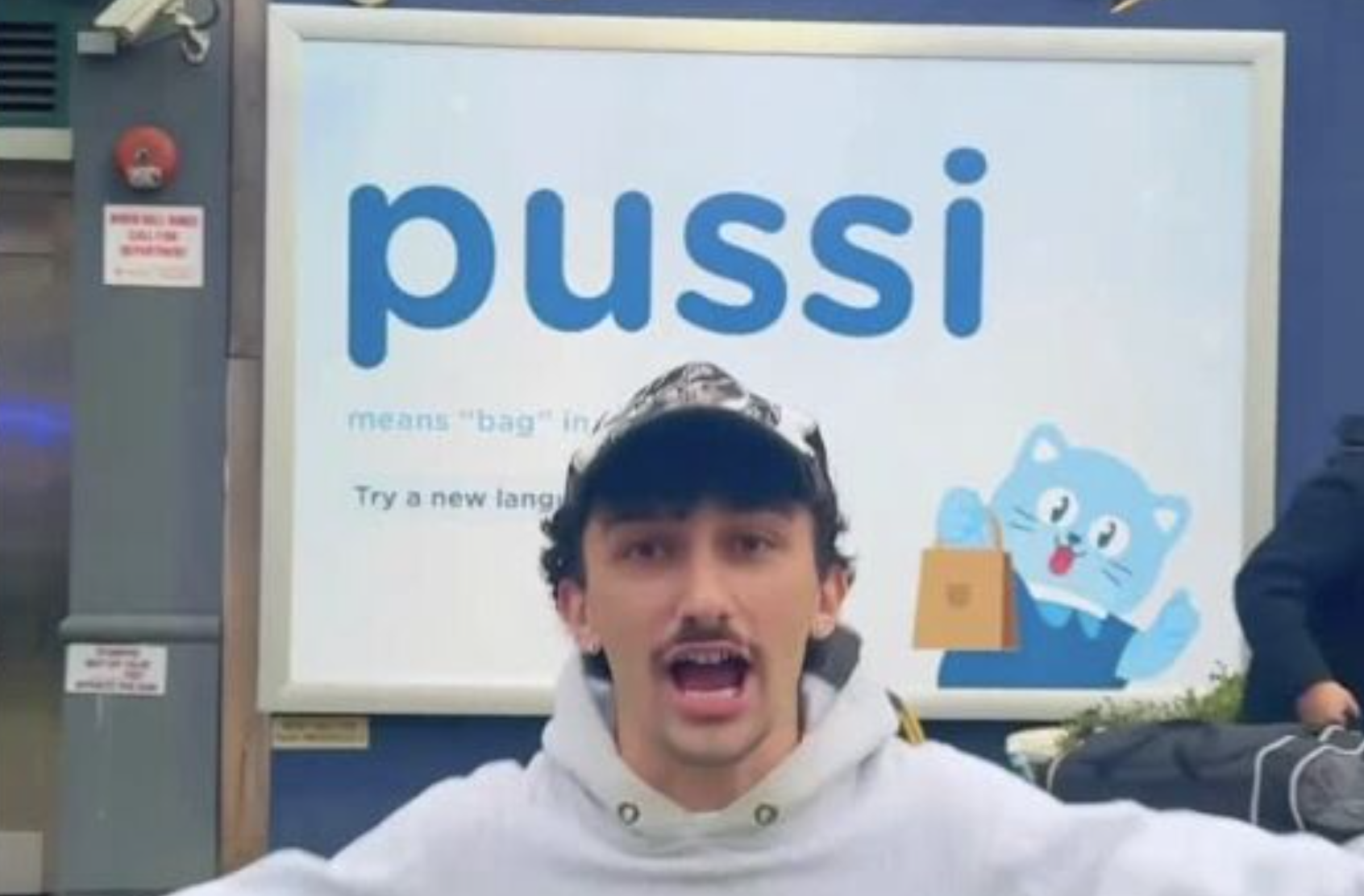
Airlearn bought billboards showing innocent foreign words that happen to be sound like English swear words. Its first US campaign put "Pussi," Finnish for bag, and "Kock," Swedish for chef, on NYC billboards. People stopped, laughed, photographed them, and reposted them everywhere. The content passed 25 million views in ten days as Reddit, Facebook, and LinkedIn spread the placements far past the street. The billboard stopped being an ad and became content, which is the whole trick.
4. Sequel.io protested outside HubSpot's INBOUND and booked demos
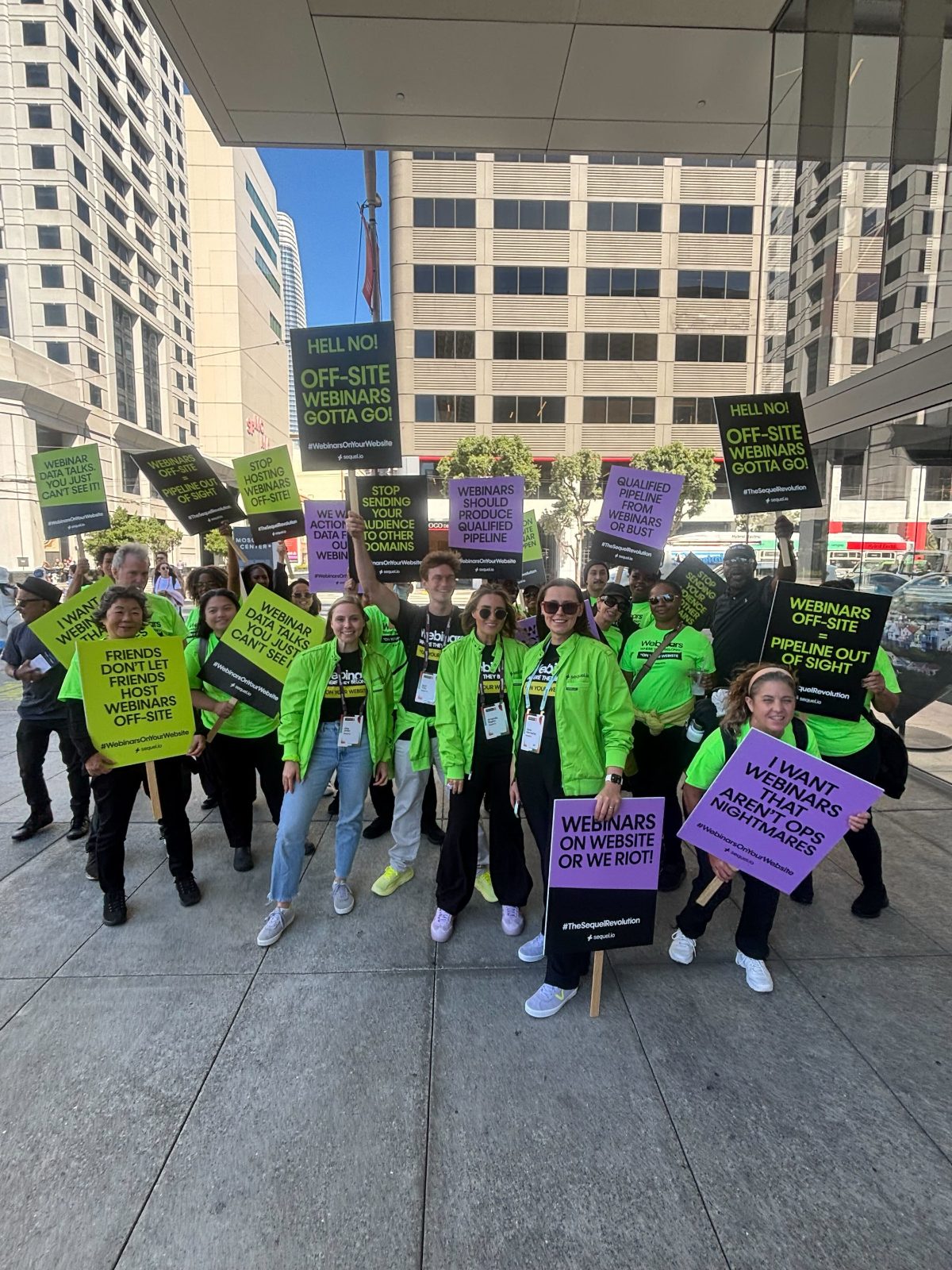
Sequel.io staged a satirical street protest outside HubSpot's INBOUND. Picket signs, a street team, chanting, the whole bit, aimed at one villain: the off-site webinar. It cost about $3k for signs, shirts, and a crew willing to chant for four hours. The protest became the most photographed thing outside the venue, fed a man-on-the-street video, and kicked off a wave of LinkedIn posts under #OwnYourAudience. Demos came in from people who said they saw it.
5. Cluely wrote a $375k Times Square billboard like a text message
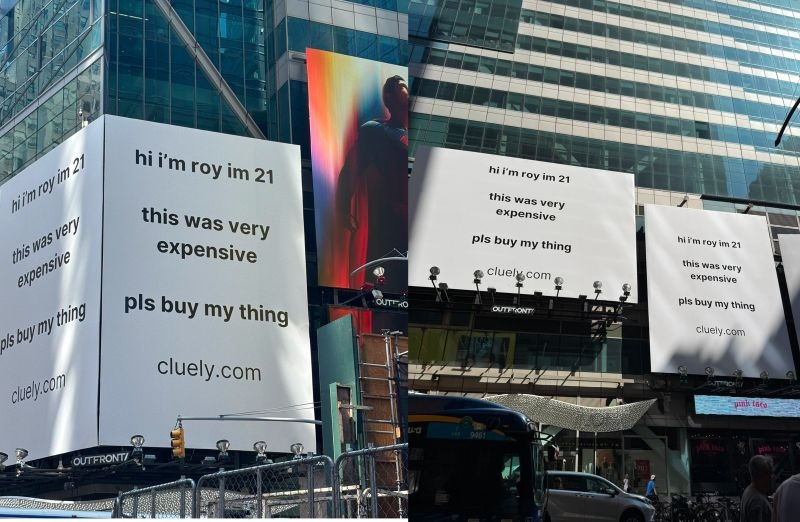
Cluely bought a plain white Times Square billboard and wrote it like a text message instead of an ad. Real name, real age, an admission that it was expensive, and a straight ask to buy the thing. Site traffic quadrupled overnight, the board became its own meme with TikTok and Twitter parodies, and the company later raised a $15M Series A. This one wasn't cheap though at $375k for four weeks.
6. Ramp smashed a car and tripled its best launch
Ramp launched a product with a stunt built to be filmed. A painted wallscape in NYC, vinyl billboards, a branded wrecking ball, and a smashed car. Ramp saw 59% higher LinkedIn engagement and 73% higher click-through than its past campaigns, pulled 67,000 video views and 200 organic reshares, and hit 3x the views of its best prior launch. The stunt video carried awareness while a separate product video handled direct response, so each did its own job.
7. PostHog launched a product with a lemonade stand
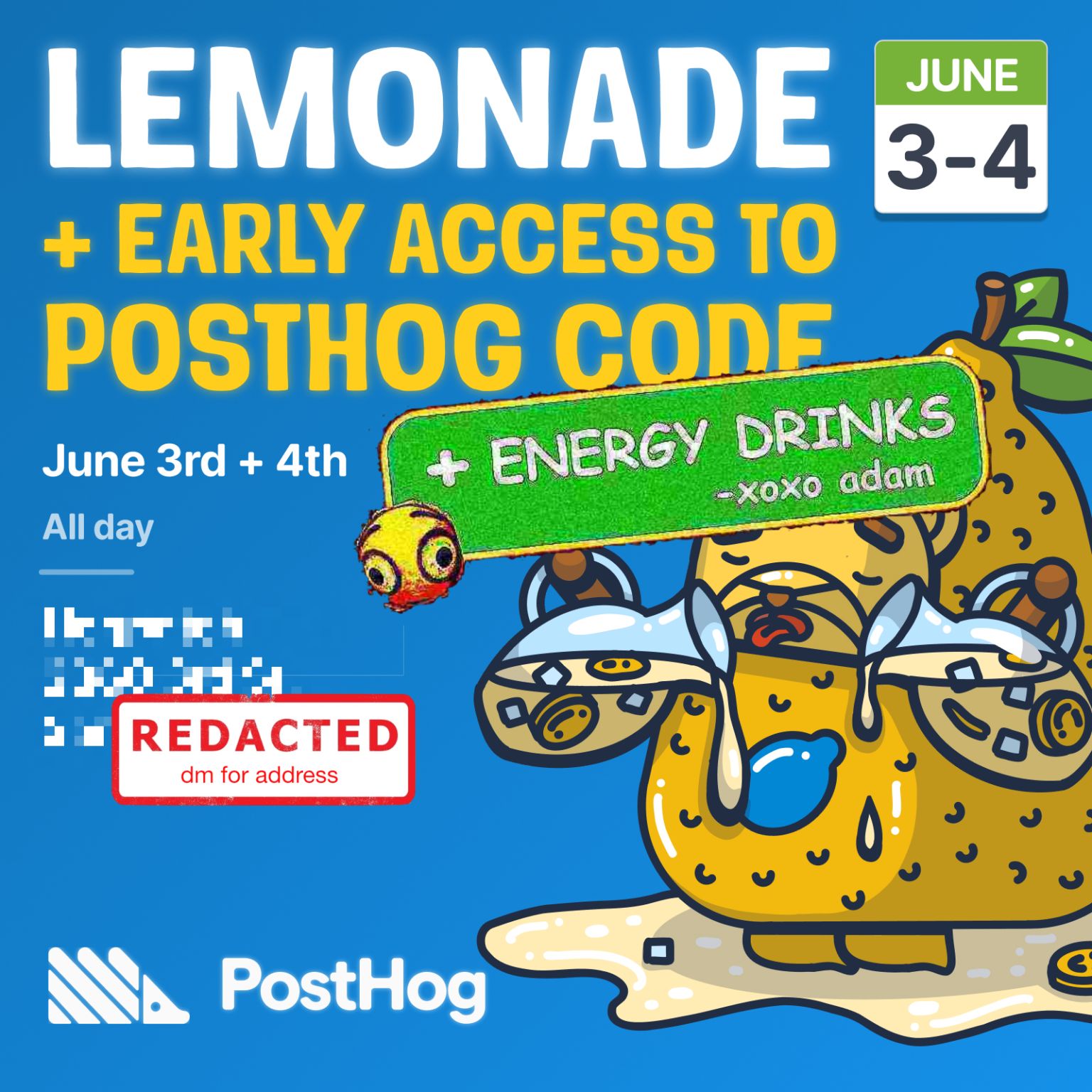
PostHog set up a lemonade stand in San Francisco and handed out free drinks with early access invites to a new product. People in town that week could grab a lemonade, preview what the team was building, and walk away as an early user. It carried on LinkedIn too, with people outside the company posting about the stand and tagging the team, so the reach went well past the stand. The Posthog team never does guerrilla wrong.
8. Zendesk built a fake band to own its competitor's search results
Zendesk built a fictional Seattle rock group called Zendesk Alternative, with a website, social accounts, fake tour dates stuck on "coming soon," and a concept album about customer service. The lyrics packed in "zendesk," "alternative," and "open source" for the crawler. Years later it still lands on the first page for "zendesk alternative," so anyone shopping for a competitor hits a joke grunge band instead of a comparison chart. It made the rounds on Hacker News, where even people who started out grossed out admitted they loved the commitment. We love this one because it's guerrilla on the internet, not on the streets.
9. Kapwing chalked its logo across SF for the price of a few boxes
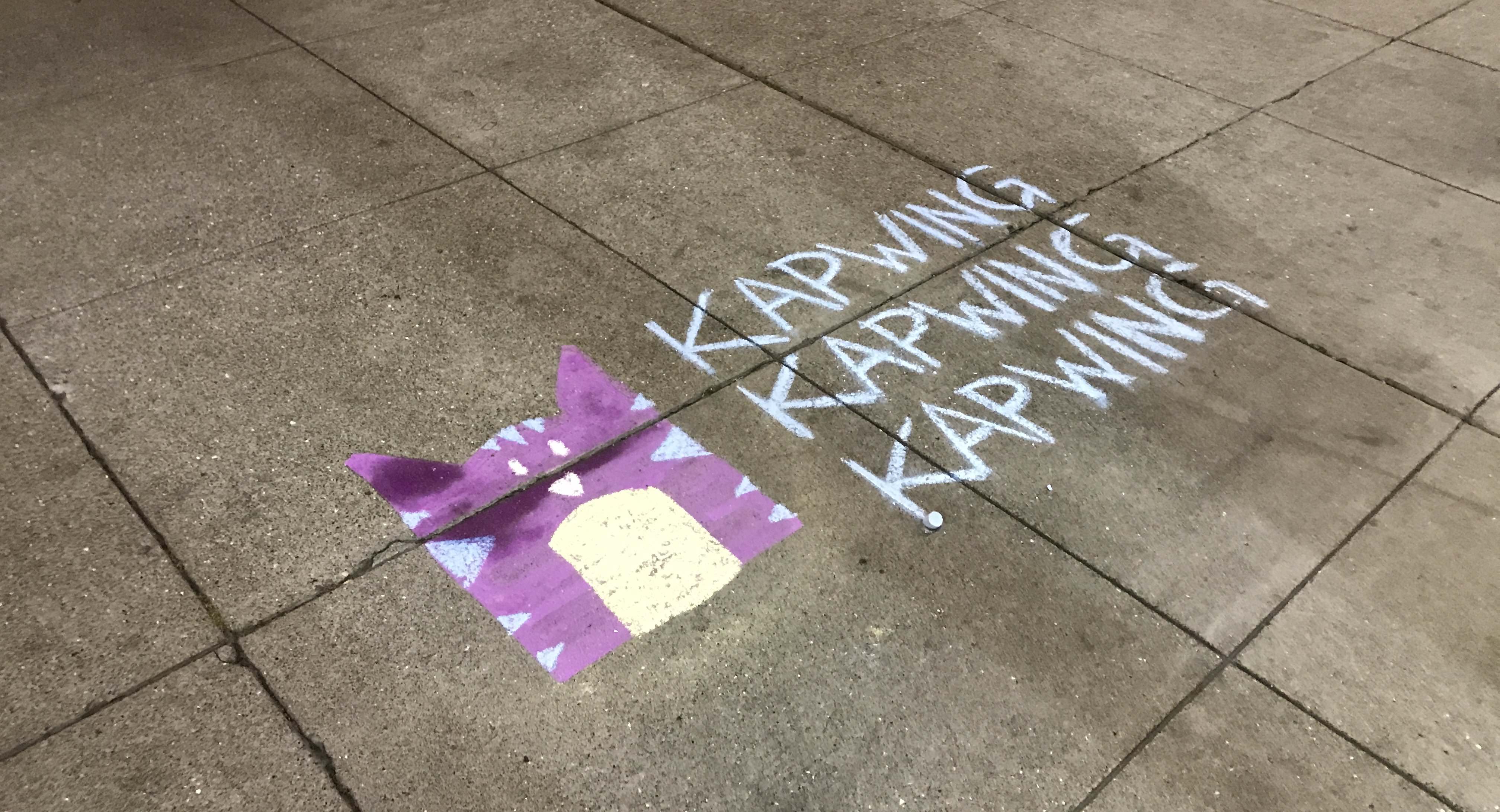
Kapwing grabbed boxes of sidewalk chalk and drew its logo and name across high-traffic parts of San Francisco at night. The whole cost was a few boxes of chalk, and the sidewalk became free ad space. The drawings washed off within a day in the busiest spots like the Embarcadero and Market Street, while the ones in quieter neighborhoods like South Park and Potrero Hill lasted for days. If you run this, skip the busy pavement and put your effort where foot traffic is steady but scrubbing is not. It's the cheapest test on this list, and it teaches you something about your city while you run it...still not sure if this one is legal or not, but who cares tbh.
Why does the cheap stuff keep winning?
Look at the price tags. The toilet ran on a projector and a few hundred dollars of gear. The cardboard sign cost the beer. The chalk cost pocket change. Even the mid-budget plays, Sequel.io's protest and UserGems' wheatpasting run with local artists found on Reddit, topped out around $3,000 to $3,500. The one true splurge, Cluely's $375k Times Square board, only worked because it acted cheap, writing like a person instead of a brand. As much as most people disliek Cluely, this one worked. Money buys reach. It cannot buy the idea that makes people stop and repost.
So which of these should you actually steal?
Start with cardboard. The UserGems sign is no budget and it caught people's attention. If it needs $375k of Times Square real estate to land, the idea might be the problem, not the budget.
The pattern holds across all of them. Attention is something you can earn with an idea weird enough that people do the distribution for you, whether that's 40 million people watching a toilet or a few hundred conference-goers following a sharpie sign to the beer.
Want the gift-based version of this playbook? Read the ABM examples roundup next.
If you steal one, steal this
If you steal one, steal UserGems' cardboard sign. A sharpie and almost no production beat every polished booth at Dreamforce and pulled 578 people plus real pipeline. Guerrilla marketing rewards the idea, not the budget, and a piece of cardboard is the purest test of whether your idea is any good.
FAQ
- What is guerrilla marketing?
- Guerrilla marketing is any unconventional, low-cost tactic that grabs attention in public or online instead of buying it through standard ads. Think a handmade sign at a conference or a stunt built to be filmed, not a paid media placement.
- Does guerrilla marketing work for B2B?
- Yes. UserGems pulled 578 attendees from a cardboard sign at Dreamforce, and Sequel.io booked demos off a tongue-in-cheek protest outside HubSpot's INBOUND. B2B buyers are people, and people share things that make them laugh.
- How much does guerrilla marketing cost?
- Often close to nothing. Chalk and cardboard cost under $20. Kapwing chalked its logo across San Francisco for a few boxes of sidewalk chalk, and even the bigger stunts here mostly topped out around $3,500, far below a normal billboard or booth.