
8 Unconventional Account Based Marketing Real Examples (2026)
A cake is impossible to ghost. You can archive a cold email in half a second and never think about it again. You can't ignore a frosted box with your name piped on top, sitting on your desk. Daymaker built a business on exactly that gap, and they're far from the only ones.
Below are eight ABM plays that booked real meetings, with the numbers. Each links to the full breakdown.
1. How do you beat cold email 300 to 1?
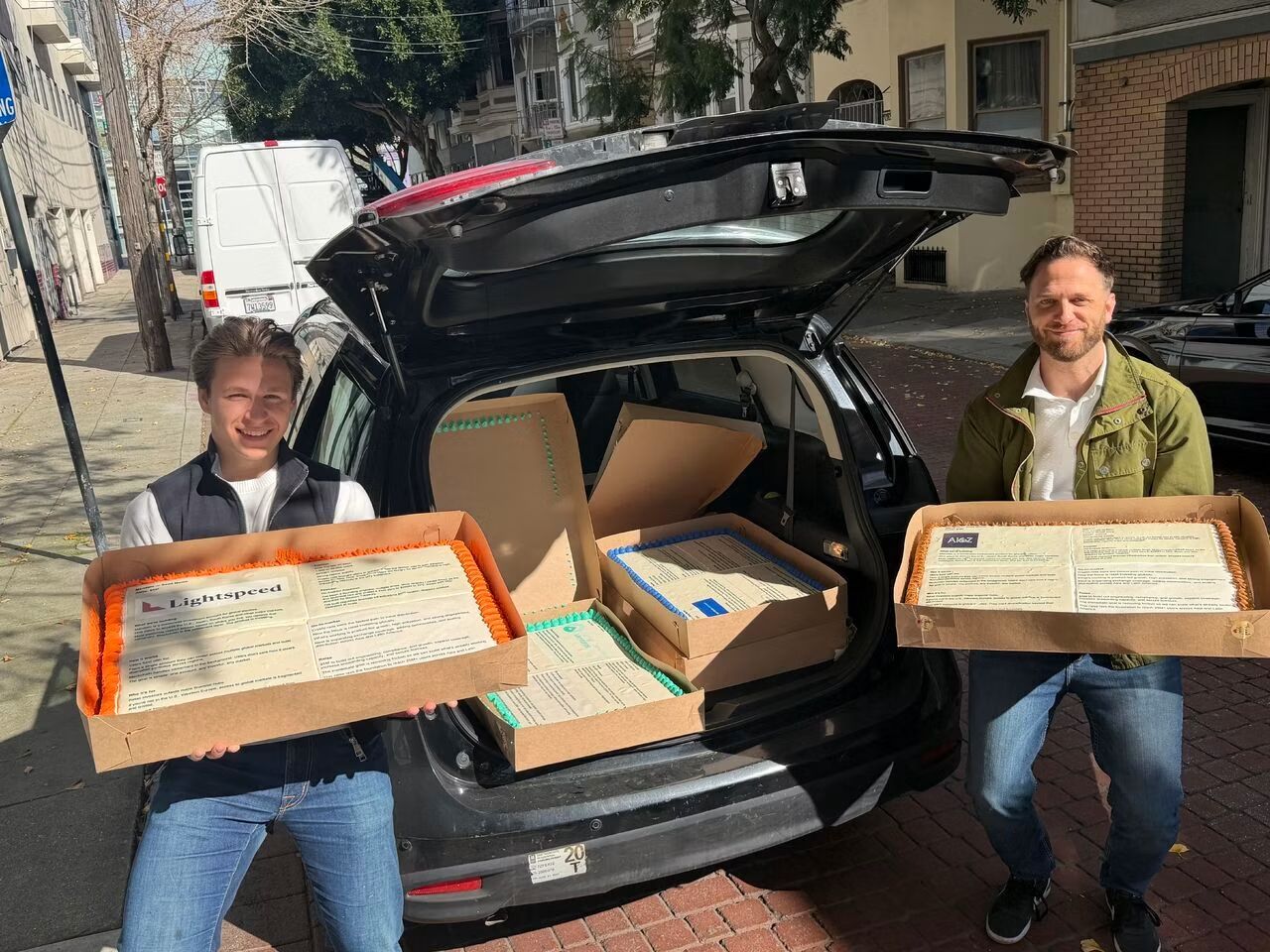
Daymaker replaces the cold email with a custom cake hand delivered to the prospect's desk, pitch printed on top, coordinated through a local bakery. The prospect gets something they can't delete or archive...and they can eat it. Can't do that with an cold email, can ya? And it works: 35% of Daymaker's campaigns booked meetings, and their same-day reply rate runs around 30% against roughly 0.1% for cold email. The company grew from $10k to $130k in monthly revenue in about six weeks on this play. One rep booked 17 meetings in a single day, including one with KPMG. A cake costs more than an email and returns a lot more than one.
2. What do you send someone who's ghosted you for six months?
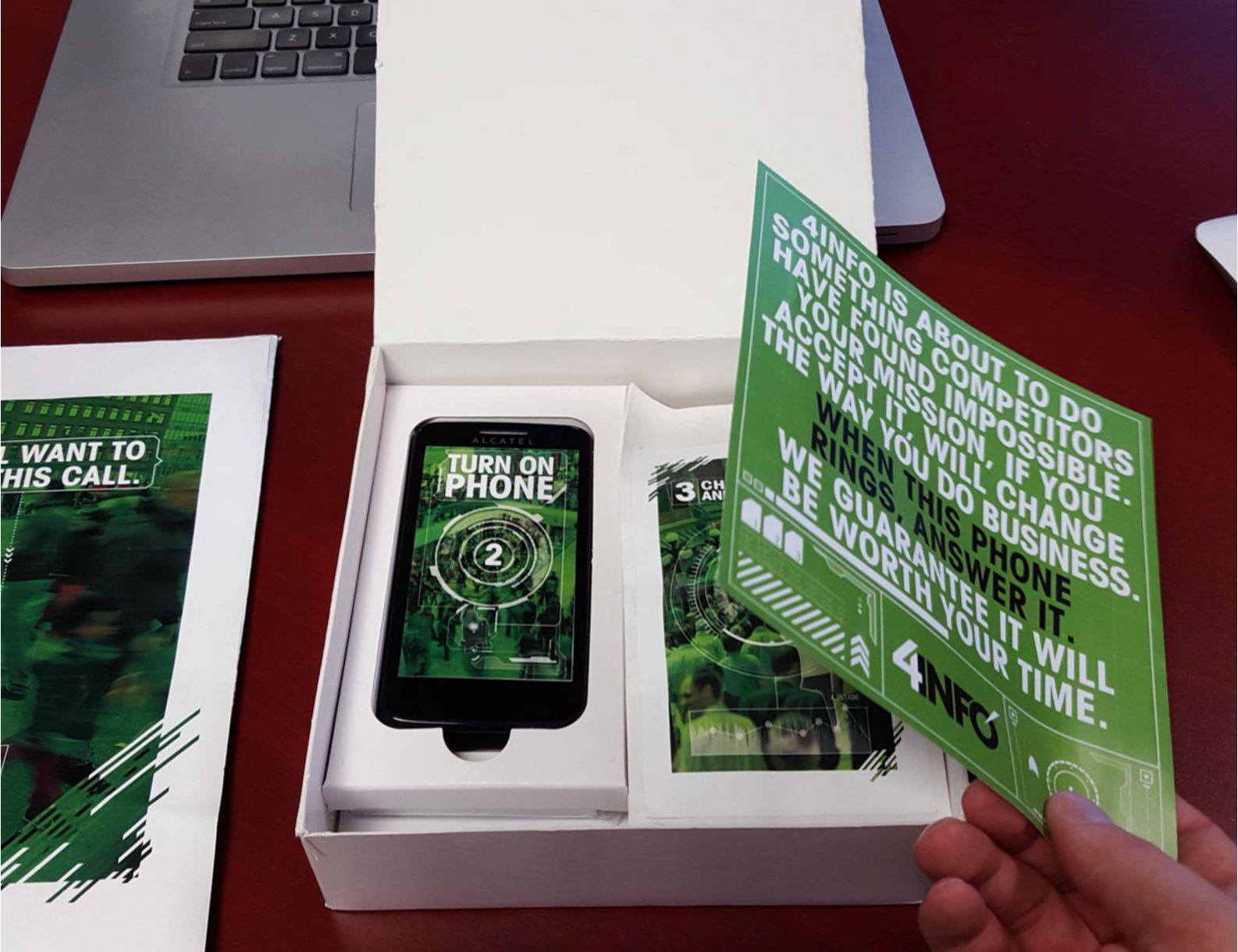
4info mailed working phones. When 274 senior agency buyers went dark for half a year, Chuck Moxley's team boxed up a cheap phone for each one with a note reading "You'll want to take this call. We guarantee it." The gift matched the pitch, a mobile advertising product, and it was physically hard to ignore. 77 buyers took the meeting, driving about $2M in pipeline at roughly 28x ROI. The gift that references your actual product beats a generic gift card every time.
3. Can a comic book win a Fortune 500 account?
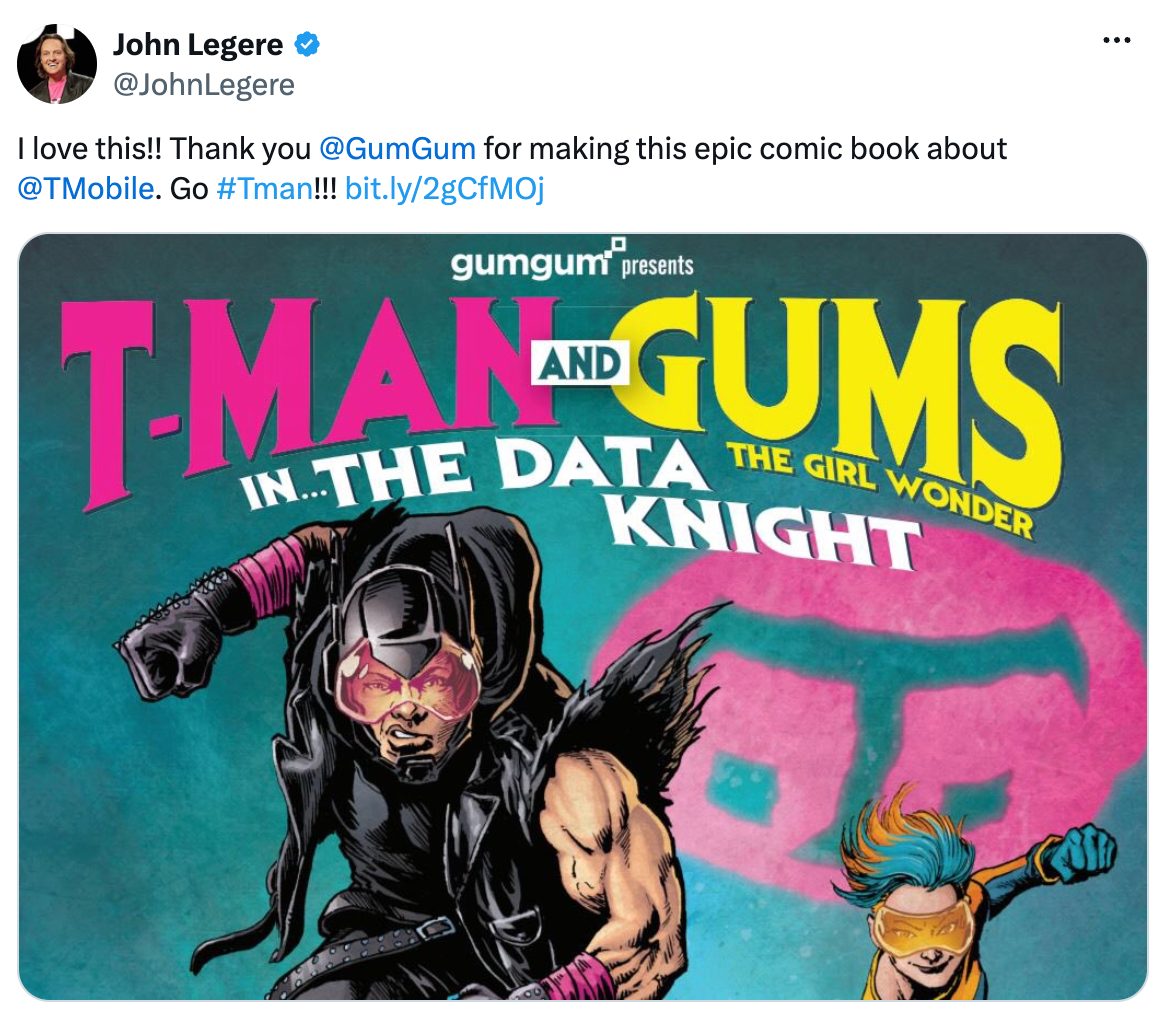
GumGum needed to break into T-Mobile and skipped cold outbound completely. They found one fact about the one person who could say yes: CEO John Legere was a huge Batman fan. So they built him a custom Batman-spoof comic called T-Man and Gums, casting him as the hero and their tech as the sidekick. A hundred copies went to T-Mobile and its agencies. Within hours the CEO praised them publicly on Twitter. Within days the meeting was booked and they won the account. It doesn't scale, and that's the point. For an account that matters, one perfect object beats a thousand touches.
4. Is $5,280 of golf swag worth dozens of C-suite meetings?
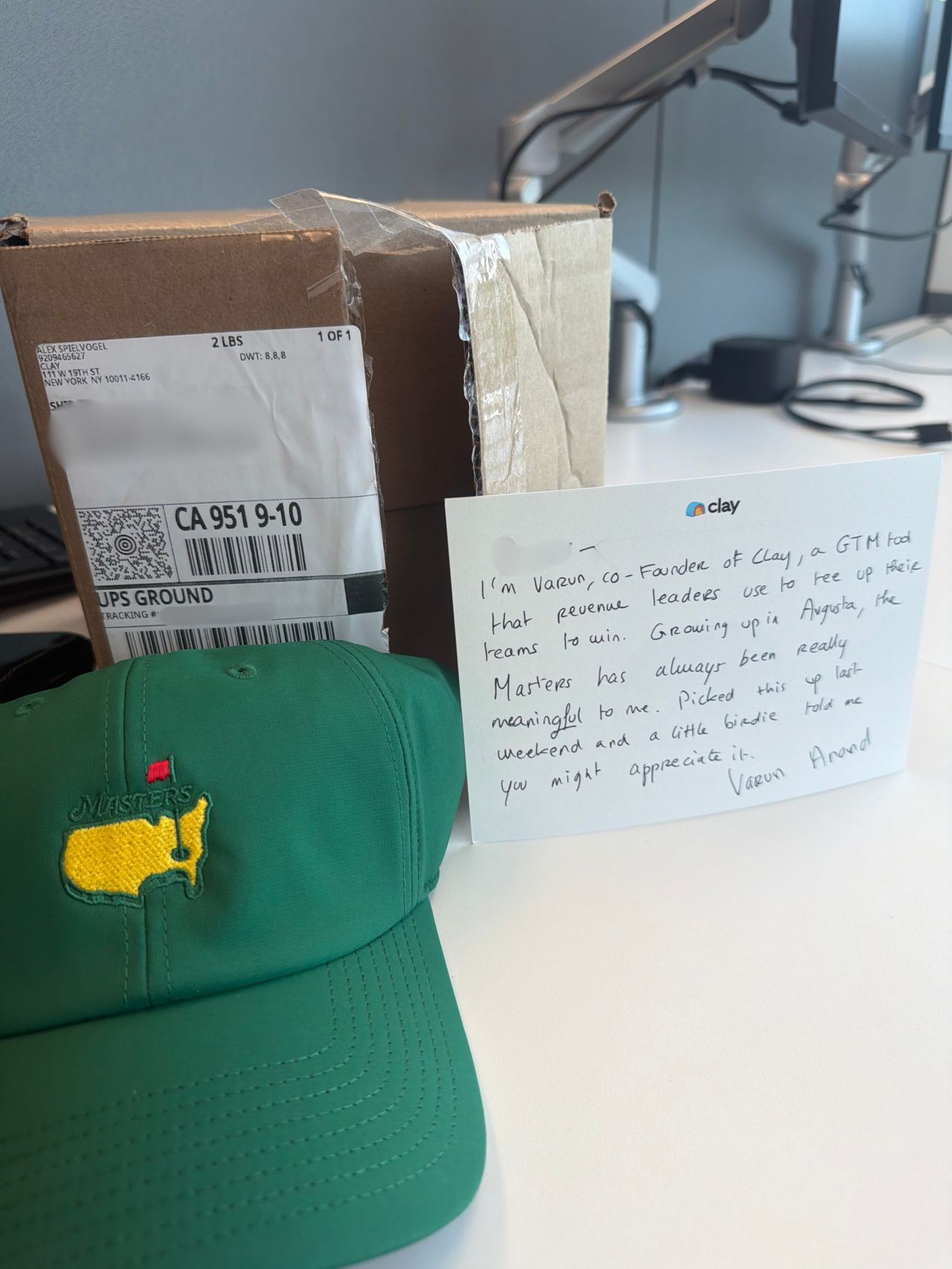
Clay grabbed a pile of sold-out Masters merch, the kind people line up hours for, then used signals to find the real golf fans at Tier 1 accounts. They spent $5,280 to send 114 custom packages with handwritten notes. 110 landed, and it booked dozens of meetings with C-suite GTM leaders, tracking toward roughly 40x pipeline against spend. One reply summed up why it works: "I'd be an a-hole if I didn't at least take a meeting." The scarcity did half the job. The signal-matching did the rest.
5. Gift an experience!

Sometimes the best gift isn't a thing. A team behind one signal-based campaign found that a senior buyer at a target account was a genuine motorsport fan, verified across two independent sources, not someone who liked one car post. Instead of another cold email or a steak dinner he'd decline, they built him a day at a local track behind the wheel of a Ferrari, Lamborghini, and Porsche. The ask was a 20-minute conversation in exchange for a day built around something he loves. It cost about $500 and got the meeting. The car wasn't the point. Matching the signal was.
6. How do you get prospects to market you to their own audience?
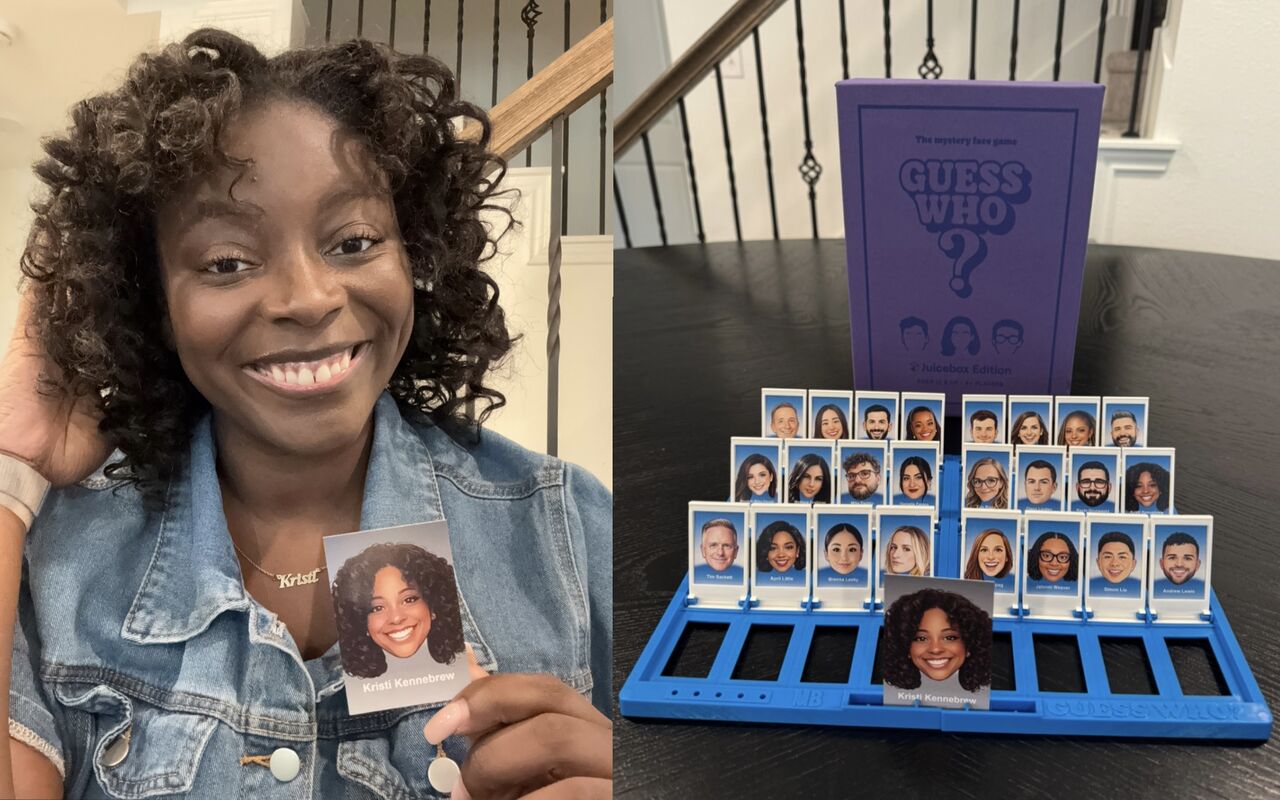
Put the buyer on a collectible. Juicebox reprinted the Guess Who board game with the faces of top voices in recruiting, mailed it to those same people, and asked who deserved a spot on the next board. Well-known recruiters posted the game to their own audiences for free. Standout did a version with Panini-style trading cards of the tech scene, mixing 70 iconic startup faces with cards for the exact talent and hiring companies it worked with, then dropping them at SF spots. Being on a card made people want to hunt them down and trade them. When the gift features the prospect, the prospect does your distribution.
7. Does a free gift work as well as an expensive one?
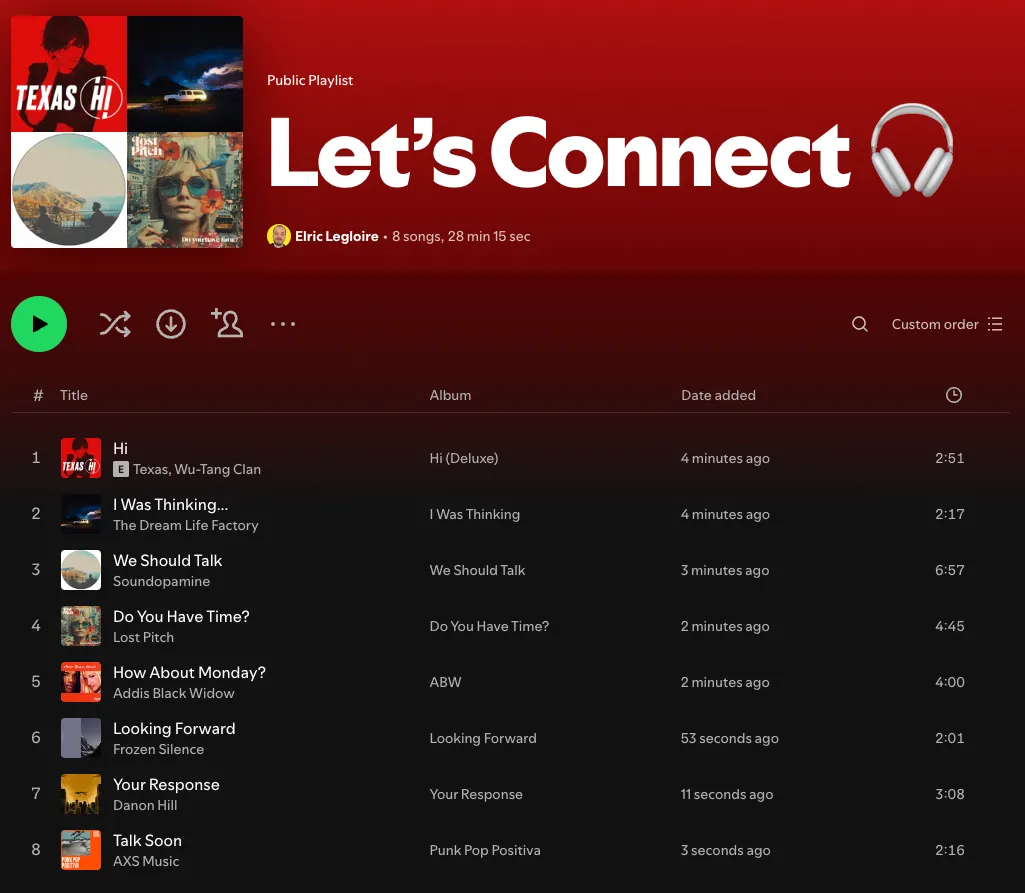
Chili Piper built short Spotify playlists for prospects, screenshotted them, and sent the image with a line like "I made this playlist for you." It costs nothing but time, screenshots cleanly into an email, and stands out from the usual "just bumping this" follow-up. It won't carry a whole enterprise campaign, but as a pattern-break in a sequence it earns replies that a fourth follow-up never will. Thought counts more than spend here.
8. Can you hand-deliver your way to 25 demos?
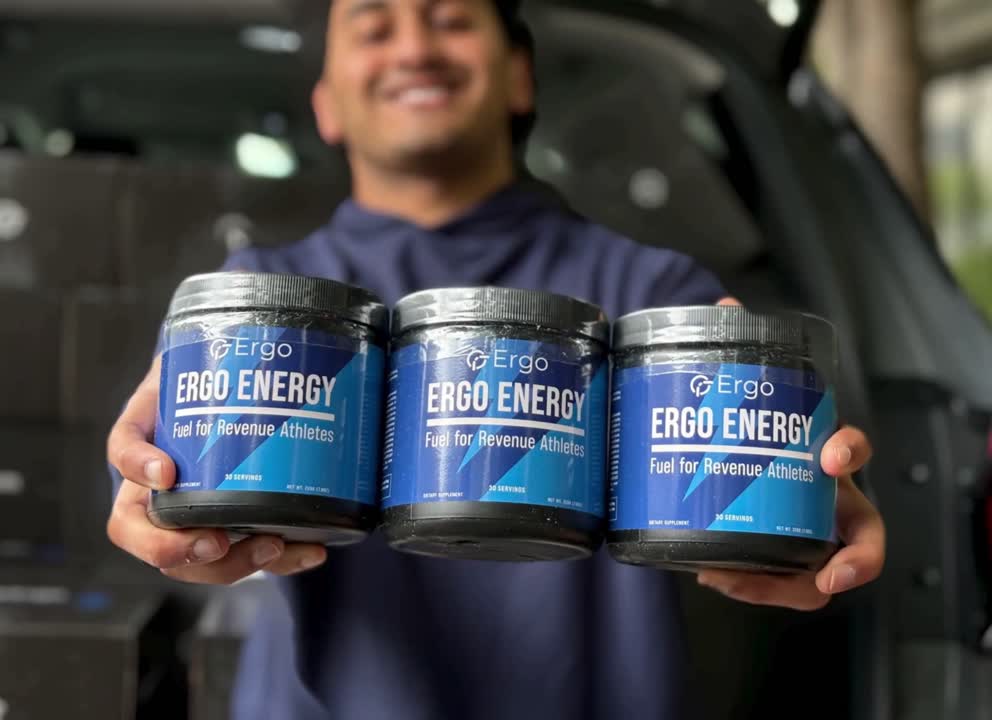
Ergo made 500 tubs of its own branded pre-workout called Ergo Energy and walked them into local startups by hand instead of emailing. Yash Dulla's team hit more than 50 SF startups, and about half booked a demo, with no emails or sequences behind it at all. Feet on the street and a physical object beat a polished cadence for a local, concentrated list.
How do you pick which accounts get this?
The gap between a gift that books a meeting and a gift that gets tossed is signal. Every play above started with a real fact, not a guess. Clay used buying signals to find the actual golf fans at Tier 1 accounts before spending a dollar on Masters merch. GumGum found one Batman fan who happened to run T-Mobile. The supercar team verified a motorsport passion across two independent sources before booking the track. 4info narrowed to 274 buyers who had already ghosted a relevant pitch. None of these sent the same object to a thousand names and hoped.
So build the list before the gift. Rank accounts by how much they're worth, find one true thing about the person who can say yes, and only then decide what to send. A $99 cake or a $46-per-package gift is expensive if you spray it and cheap if you place it. The cost that matters isn't the gift. It's the research that makes the gift land, and that research is what separates ABM from expensive junk mail.
So which ABM play should you run first?
Run Clay's Masters play, adapted to your buyers. The mechanics travel to any industry: find a thing a specific set of buyers genuinely loves, use real signal so you're not guessing, spend real money on a small list, and include a handwritten note so it reads as human. That's why $5,280 turned into dozens of C-suite meetings.
The thread through all eight is the same. No one wants another cold email. They don't "delight" like something physical or personalized to the person on the receiving end. These plays treat them like a person, which is the entire reason a cake or a comic books a meeting that a hundred "quick question" emails never would. Start with one account worth the effort and build the one thing only that buyer would care about.
Want the public, budget-free version of this thinking? Read the guerrilla marketing examples roundup.
If you steal one, steal this
If you steal one, steal Clay's Masters swag play. It's the whole model in one campaign: use real buying signal to find people who genuinely love a thing, spend real money on a short list, and send it with a handwritten note. $5,280 turned into dozens of C-suite meetings and roughly 40x pipeline. Being thoughtful pays off, who would've thought?
FAQ
- What is account based marketing?
- Account based marketing (ABM) targets a short list of high-value accounts with personalized outreach instead of casting a wide net. The plays here treat each account, sometimes each person, as a market of one and build something specifically for them.
- Do ABM gifts actually book meetings?
- When they match the person, yes. 4info mailed working phones to 274 buyers who had ghosted them and booked 77 meetings worth about $2M. Clay's Masters swag booked dozens of C-suite meetings. Generic swag doesn't do this; specific gifts do.
- What's the best ABM gift to break into an account?
- The one tied to a real fact about the buyer. GumGum learned T-Mobile's CEO loved Batman and sent a custom comic. A supercar day for a verified motorsport fan cost $500 and got the meeting. Signal first, gift second.