Dark funnel
Also called: Dark social, Untracked demand, Hidden buyer journey
The dark funnel is the buying activity you cannot see or attribute, including private group chats, podcasts, word of mouth, and communities where most B2B research now happens before anyone visits your site.
What is Dark funnel?
The dark funnel is everywhere buyers research you that your analytics cannot see: Slack groups, podcasts, DMs, Reddit threads, and conversations with peers. By the time someone fills in a form, most of the decision has already happened somewhere you were never measuring.
What is the dark funnel?
The dark funnel is all the buying activity that happens outside anything you can track. A prospect hears you mentioned on a podcast, asks about you in a private Slack community, reads a Reddit thread, gets a recommendation over lunch, then eventually types your name into Google.
Your analytics records that last step as "direct traffic" or "branded search" and takes the credit. Everything that actually caused it is invisible.
The places it lives:
- Private communities. Slack and Discord groups, WhatsApp threads, industry forums.
- Peer conversations. Recommendations, warnings, and comparisons between people who do your buyers' job.
- Audio and video. Podcasts, YouTube, conference talks, where there is no link to click.
- Social DMs and shares. A post forwarded into a group chat, which is where most sharing happens now.
- Aggregators and threads. Reddit, Hacker News, review sites, and the search results that surface them.
The reason this matters more every year is that the trackable part of the journey keeps shrinking. Buyers arrive at your site much later in their process than your funnel model assumes, often with a shortlist already formed. Optimising the visible part harder does not help if the decision happened in a Slack channel two months earlier.
The honest problem is that the dark funnel is used as an excuse as often as it is used as an insight. "It is the dark funnel" is an unfalsifiable explanation for any campaign that did not work. The useful version is not a defence, it is a change in where you put effort.
How to work with the dark funnel without screwing it up
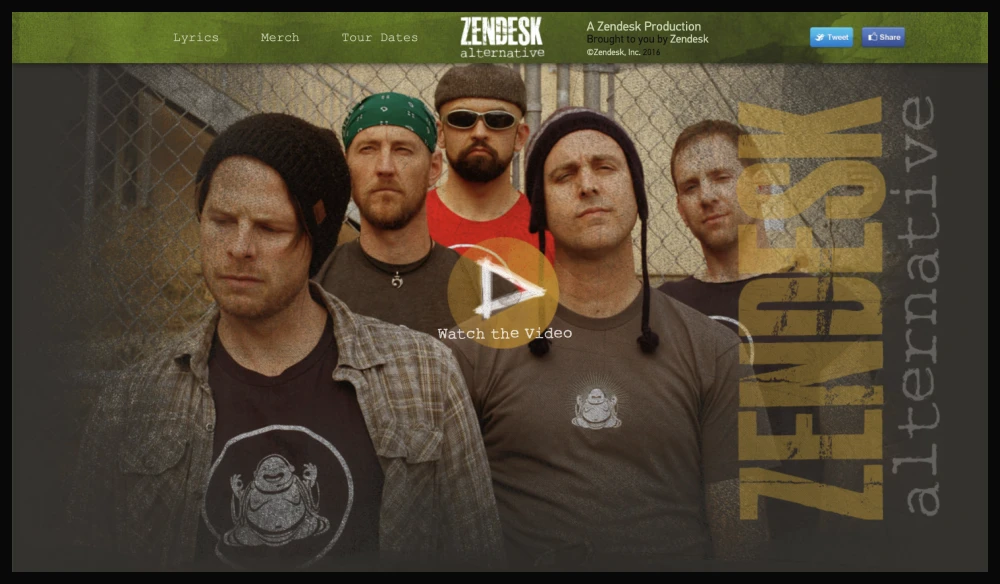
- Be present where the conversation is, not where the link is. Zendesk built a fictional band called Zendesk Alternative, which still ranks on page one years later and made the rounds on Hacker News. It intercepts a search that only happens after a dark-funnel conversation about switching.
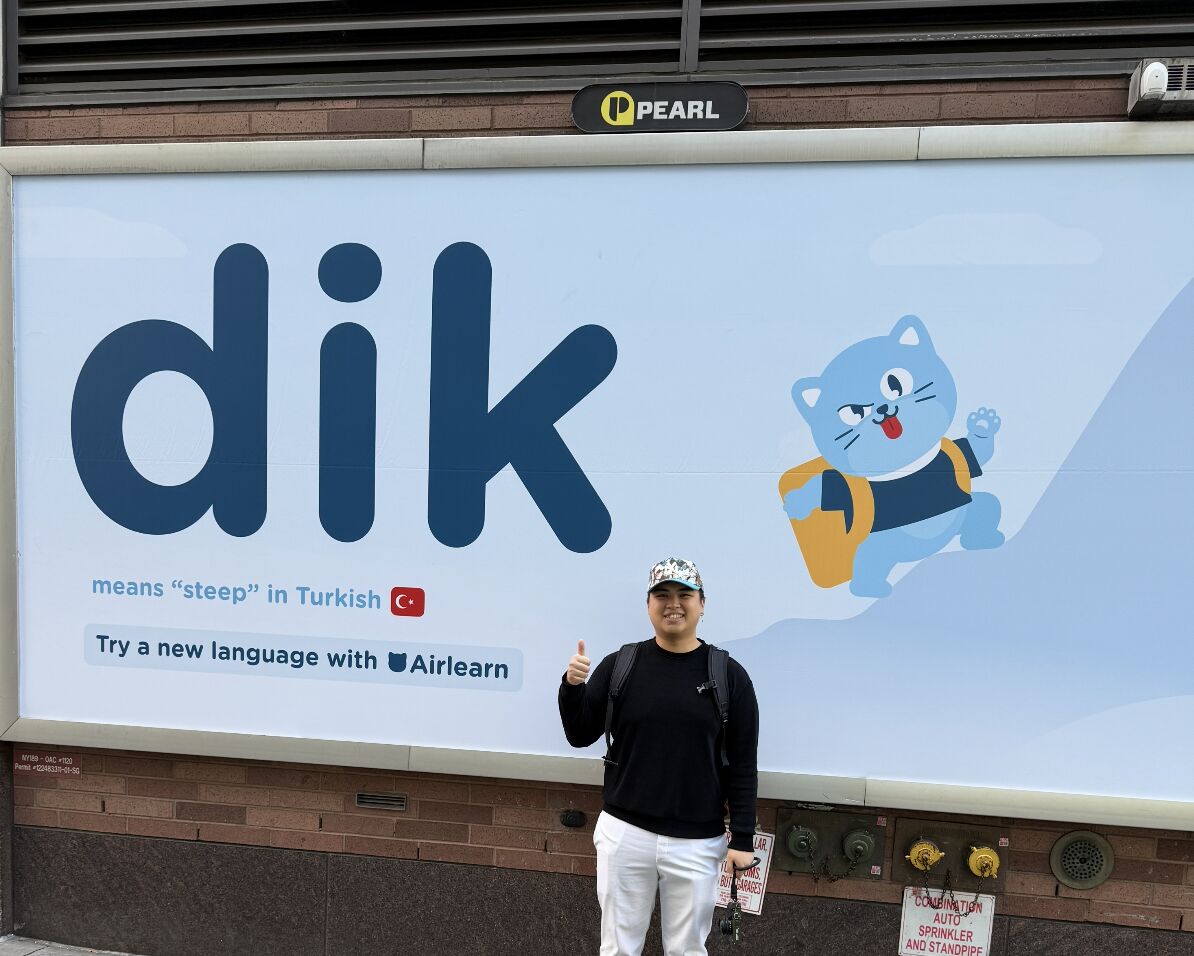
- Make things that survive being screenshotted. Most sharing happens as an image in a private chat, with no referrer and no link. Airlearn's double-meaning billboards passed 25 million views in ten days because the artifact travelled without a URL attached.
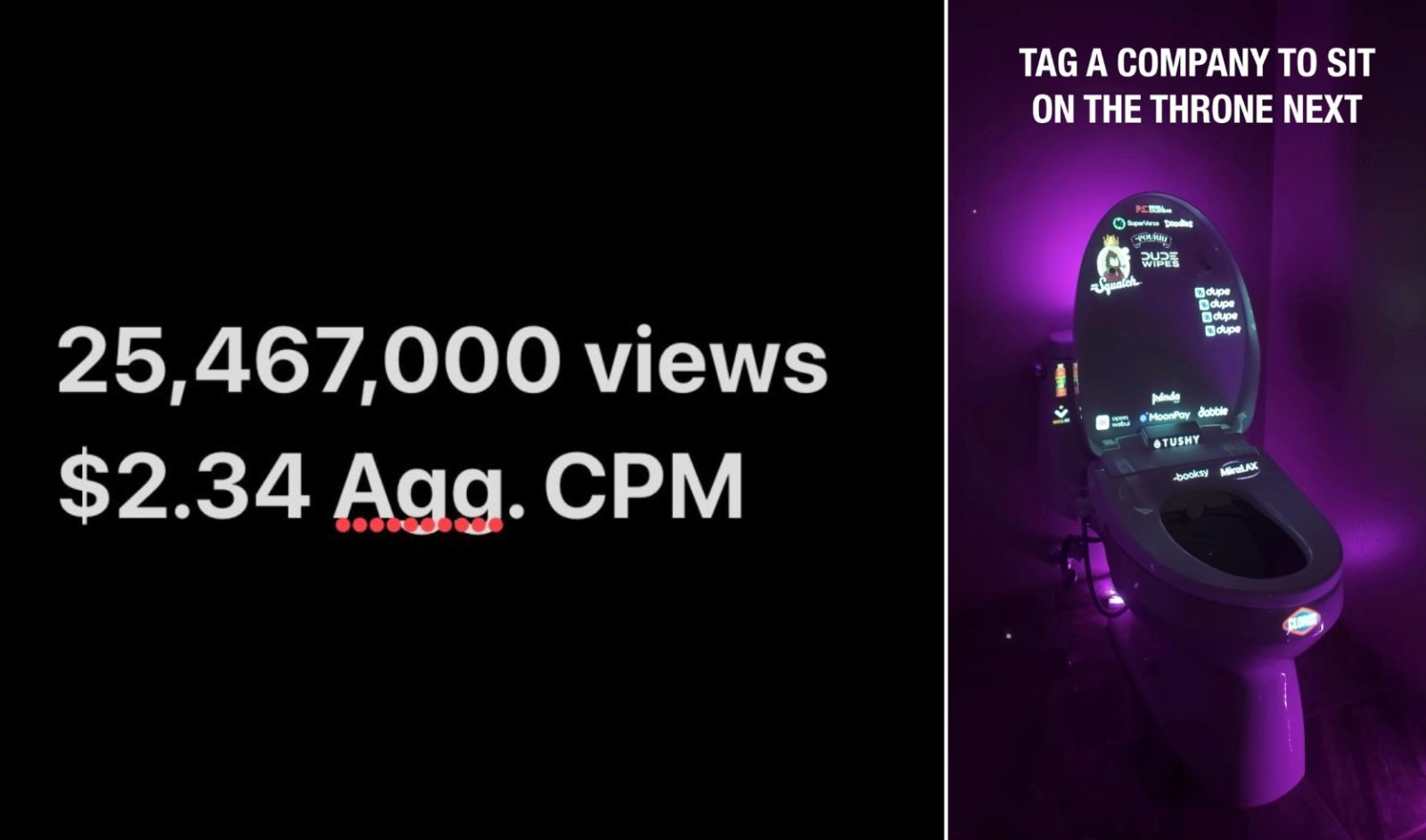
- Give people something to say about you. Word of mouth needs a sentence. Nick's toilet ad auction is trivially easy to describe to a colleague, which is the actual distribution mechanism.
- Ask on the form. A "how did you hear about us" free-text field is unfashionable and consistently more accurate than the attribution model. It is the cheapest dark funnel research available.
- Watch branded search and direct traffic as your real scoreboard. When dark funnel activity increases, those two rise before anything else does. Track them as a leading indicator rather than a rounding error.
- Run geographic or time-based holdouts. If you cannot attribute at the click level, measure at the market level. Run in one metro, skip a comparable one, compare the difference.
When is dark funnel thinking a bad idea?
You are using it to avoid accountability. If every underperforming campaign gets explained by invisible influence, the concept has become a shield. Demand a leading indicator that moves.
You have no visible funnel yet. Early on, the problem is usually that nobody knows you at all, not that influence is going unmeasured. Build something measurable first.
You stop measuring entirely. Unattributable does not mean unmeasurable. Holdouts, surveys, branded search, and self-reported attribution all work, and abandoning measurement because clicks failed is an overcorrection.
Your buyers are not in communities. Some categories genuinely have no active peer network. Check before you build a strategy around one.
Leadership needs deterministic attribution. If the CFO requires every dollar traced to closed-won, dark funnel investment will lose that argument every quarter regardless of how right it is. Win the measurement conversation first.
Examples of dark funnel work in the wild
Owning the search that follows the conversation. Zendesk Alternative put a joke grunge band in front of everyone who reached the shortlist stage privately and then went looking.
An artifact built to be screenshotted. Airlearn's billboards spread through Reddit, Facebook and LinkedIn reposts rather than through any trackable click.
A story that is easy to retell. The toilet ad bidding war is a single sentence anyone can repeat, which is what actually moves through private channels.
A wedding suit worth arguing about. Dagobert Renouf's 26 sponsors generated a global debate, and debate is the dark funnel's native format.
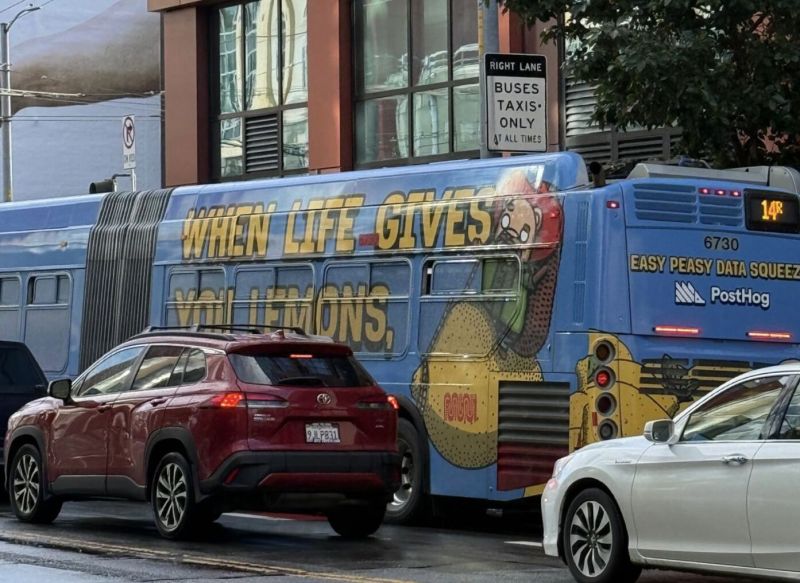
A launch that spread through other people's posts. PostHog's lemonade stand reached well past the sidewalk because people outside the company posted and tagged the team.
Sources
- uglyGTM play library. 2026. https://www.uglygtm.com
Real plays that use Dark funnel





FAQ
- What is the dark funnel?
- The dark funnel is the buying activity you cannot see or attribute: private Slack and Discord communities, podcasts, peer recommendations, DMs, Reddit threads, and word of mouth. Most B2B research now happens there before a buyer ever visits your site.
- Why is the dark funnel a problem for attribution?
- Because the causes are invisible and only the final step is recorded. A buyer hears about you on a podcast, asks in a Slack group, then types your name into Google. Analytics logs that as direct or branded search and credits it, while everything that actually drove it goes unmeasured.
- How do you measure the dark funnel?
- Indirectly. Watch branded search volume and direct traffic as leading indicators, add a free-text how did you hear about us field to your forms, and run geographic or time-based holdouts where you launch in one market and skip a comparable one.
- Is the dark funnel just an excuse for bad attribution?
- It becomes one when every underperforming campaign gets explained by invisible influence. The concept is real and the effect is real, but the useful version changes where you spend effort rather than serving as an unfalsifiable defence.
- How do you market to the dark funnel?
- Be present where the conversation happens rather than where the link is, and make things that survive being screenshotted without a URL attached. Give people a single sentence they can repeat to a colleague, because that sentence is the actual distribution mechanism.
Related terms
Intent data
Intent data is behavioral signal indicating that a company or person is actively researching a product category, used to prioritize which accounts to contact and when.
Brand awareness
Brand awareness is the extent to which buyers recognize and recall a brand when a relevant need arises, which determines whether it makes the shortlist before evaluation begins.
Demand generation
Demand generation is the marketing discipline of creating awareness and interest in a category across an entire market, then capturing that interest when buyers are ready to act.
Go-to-market strategy
A go-to-market strategy is the plan for how a company reaches and sells to a specific set of buyers, covering who you target, how you position and price the product, and which motion you sell through.
Earned media
Earned media is coverage and sharing you did not pay for and do not own, including press articles, organic social posts, forum threads, and word of mouth generated by something you did.