
Brand awareness
Also called: Mental availability, Brand recall, Top-of-mind awareness
Brand awareness is the extent to which buyers recognize and recall a brand when a relevant need arises, which determines whether it makes the shortlist before evaluation begins.
What is Brand awareness?
Brand awareness is whether buyers think of you when the problem shows up, not whether they recognize your logo. Ehrenberg-Bass calls it mental availability. Since roughly 95% of B2B buyers are not in-market this quarter, awareness is the only thing working on them until they are.
What is brand awareness?
Brand awareness is whether someone thinks of you at the moment they realize they have a problem.
That is a narrower claim than it sounds. It is not whether people like you, not whether your positioning is clever, and definitely not whether the logo works at 16 pixels. Nobody has ever bought software because the shade of blue was correct. The question is only this: when a VP finally admits the spreadsheet situation has become unsustainable and starts a mental list of who might fix it, are you on that list before anyone runs a search?
Ehrenberg-Bass calls this mental availability, and the distinction that matters inside it is recognition versus recall.
- Recognition is passive. Show someone your logo, they say yes, I've seen that.
- Recall is active. Give someone the problem, they say your name without prompting.
Recall is the one worth money. Buyers do not build shortlists by scrolling a directory of every vendor in the category. They start from the two or three names already in their head, then search to confirm. If you are not in the head, you are competing to be the challenger in an evaluation that already has a favorite.
The reason this matters more in B2B than most teams treat it: Ehrenberg-Bass research puts only about 5% of business buyers in-market in a given quarter, because companies replace major vendors roughly every five years. The other 95% have what you sell, are locked into a contract, or have bigger problems this month.
And you cannot talk them into it. That is the part people resist. A better email sequence does not shorten a three-year contract. Buyers move themselves in-market when their circumstances change, which means the entire job with the 95% is memory. Or as Jenni Romaniuk frames it, you cannot push buyers down a funnel, but you can catch them as they fall.
How to build brand awareness without screwing it up
- Be weird enough to be remembered. Generic is the enemy, not risk. If your ad could carry a competitor's logo and nobody would notice, you bought impressions and built no memory. Segment ran a billboard in San Francisco that said "Good morning, LA!" and one in LA that said "Good morning, SF!" People who had no idea what Segment sold posted photos of it. The confusion did the distribution.
- Pick distinctive assets and then leave them alone. A color, a character, a phrase, a shape people recognize without your name on it. Ehrenberg-Bass is emphatic about not changing these often. Every rebrand throws away memory you already paid for, and the people who notice a rebrand are almost entirely your own employees.
- Attach yourself to the problem, not the product. Buyers do not recall "workflow orchestration platform." They recall whoever kept talking about the specific thing that ruins their Thursday. Own the problem in language your buyer actually uses out loud.
- Reach the 95%, deliberately. This means buying media that reaches people who cannot convert today, which will feel wrong to anyone raised on cost per lead. Out-of-home, podcasts, events, original research, category content. None of it will attribute cleanly. That is the job description.
- Measure recall and branded search, not impressions. Impressions are a receipt for what you bought. Run unaided recall surveys against your target segment, track branded search volume and direct traffic, and watch share of voice against named competitors. Those move slowly and honestly.
- Show up more often than feels necessary. Awareness decays. A campaign that runs for six weeks and stops has bought a spike, and the spike flattens. Consistent presence beats occasional spectacle, and the boring truth is that most brands underestimate how much repetition it takes before a stranger retains anything.
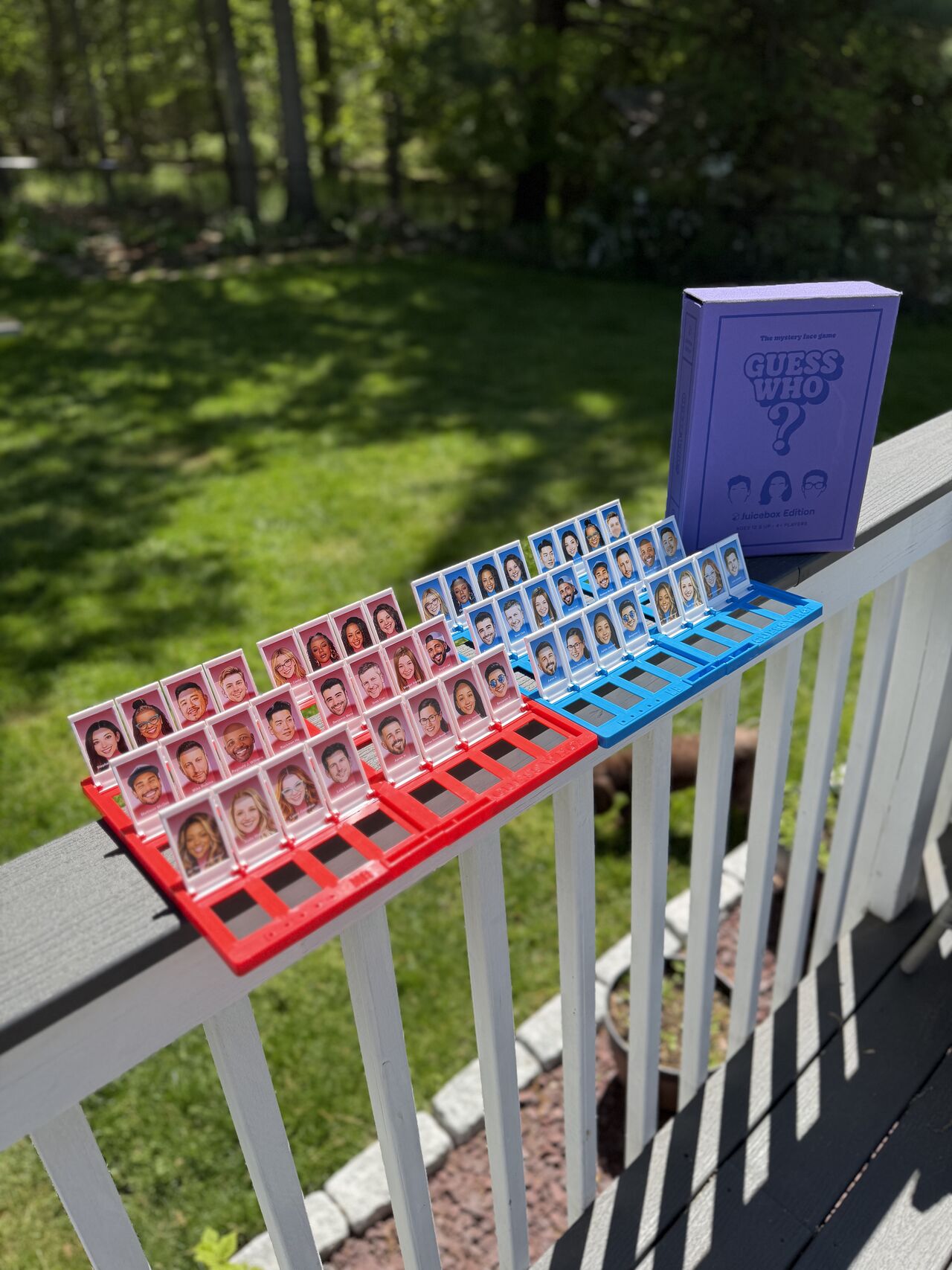
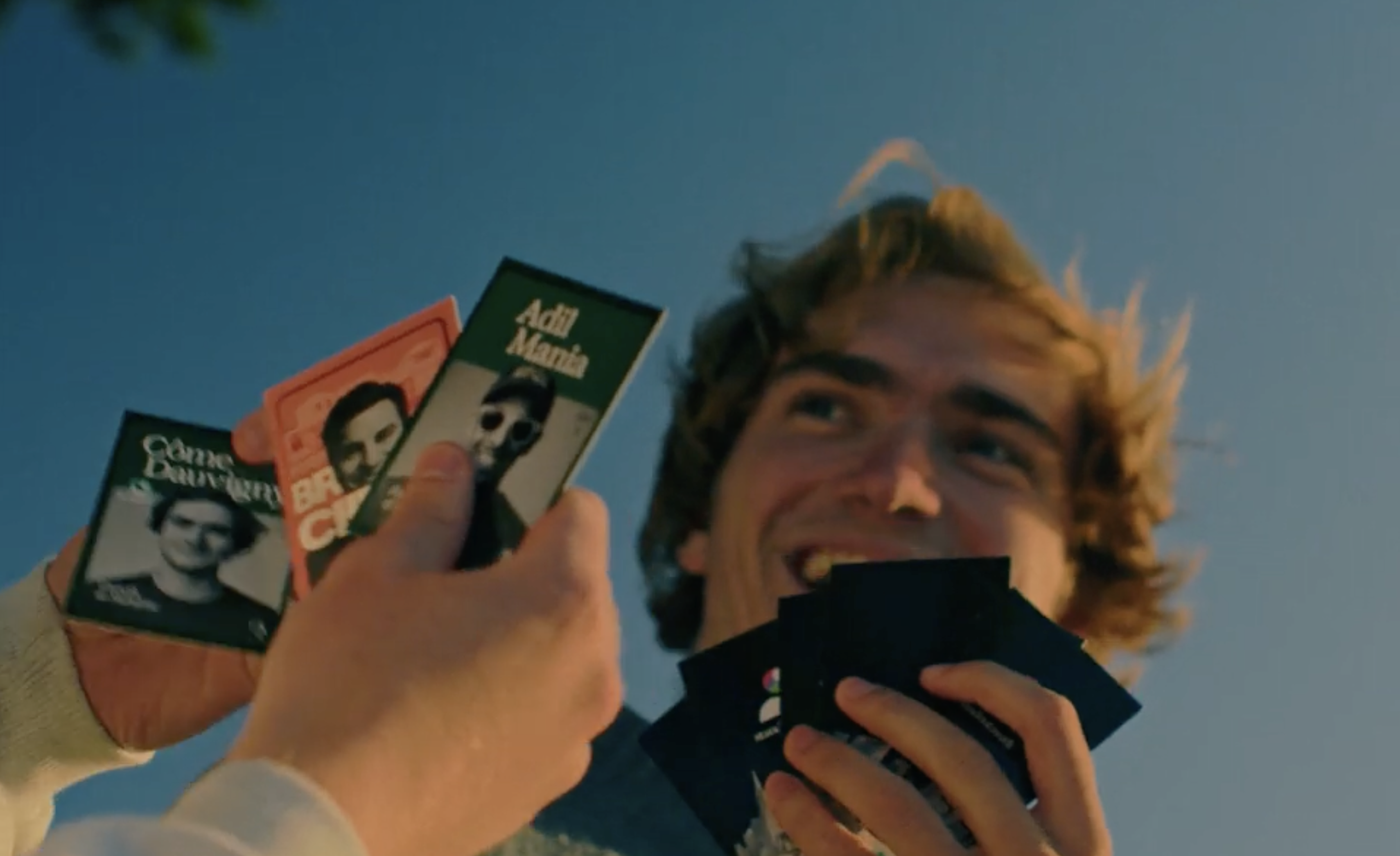
- Let the audience carry it. The cheapest awareness is the kind other people distribute for you. Juicebox reprinted Guess Who with the faces of top recruiting voices and mailed it to those same people, who posted it to their own audiences unprompted. Standout made Panini-style trading cards of the tech scene and dropped them around SF. When someone is on the card, they do your reach for you.
When is brand awareness a bad idea?
Your market is 200 companies. You do not need mental availability, you need a list and a calendar. Every buyer in your category could fit in a hotel ballroom. Go meet them. Broad awareness spend against a tiny named market is a rounding error dressed as strategy, and ABM will beat it on every dimension.
You have no product-market fit. Awareness makes a bad product fail faster and in public. You are buying reach for a message you will change in four months, and the market will remember the version you abandoned.
You have two quarters of runway. Awareness pays back on a timeline longer than your cash. That is not an argument against it in principle, it is an argument that this specific company cannot afford it right now. Go capture in-market demand and revisit when the runway supports it.
Leadership will judge it on attributed pipeline. It will lose that fight. Not because it failed, but because the measurement cannot see it. Either change the measurement before you spend or do not spend.
You will rebrand in a year. Then you are renting memory rather than buying it. Settle the identity first, then start compounding.
Examples of brand awareness in the wild
The 101 corridor. The most contested stretch of B2B out-of-home in the country, and the purest expression of the idea. No form, no click, no attribution. Just your name in front of every engineer, founder, and investor in the Bay Area on their commute, over and over, until it sticks. What it costs and how to measure it is covered in out-of-home advertising.
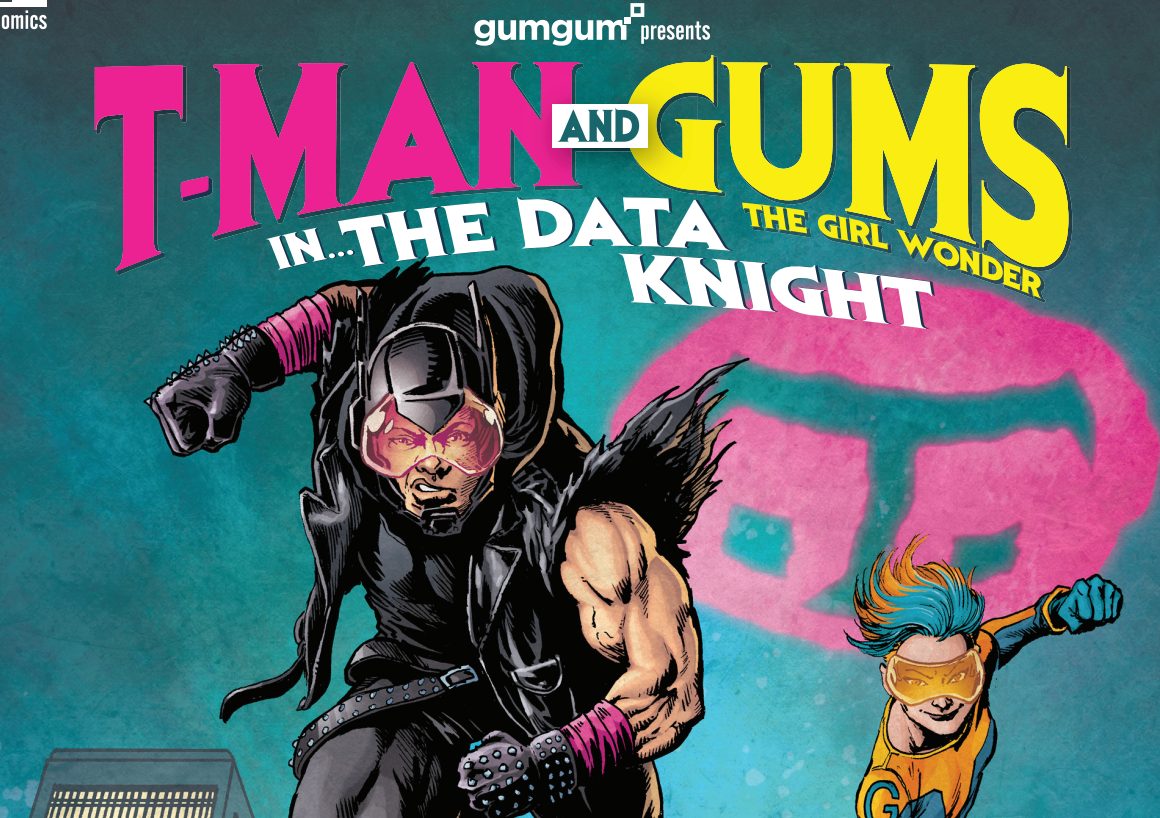
One object that earned a category's attention. GumGum built a custom Batman-spoof comic for T-Mobile's CEO, who was a fan. He praised it publicly within hours. That was aimed at one account, but the story has now been retold in a hundred marketing posts, which is a decade of awareness bought with one comic book.
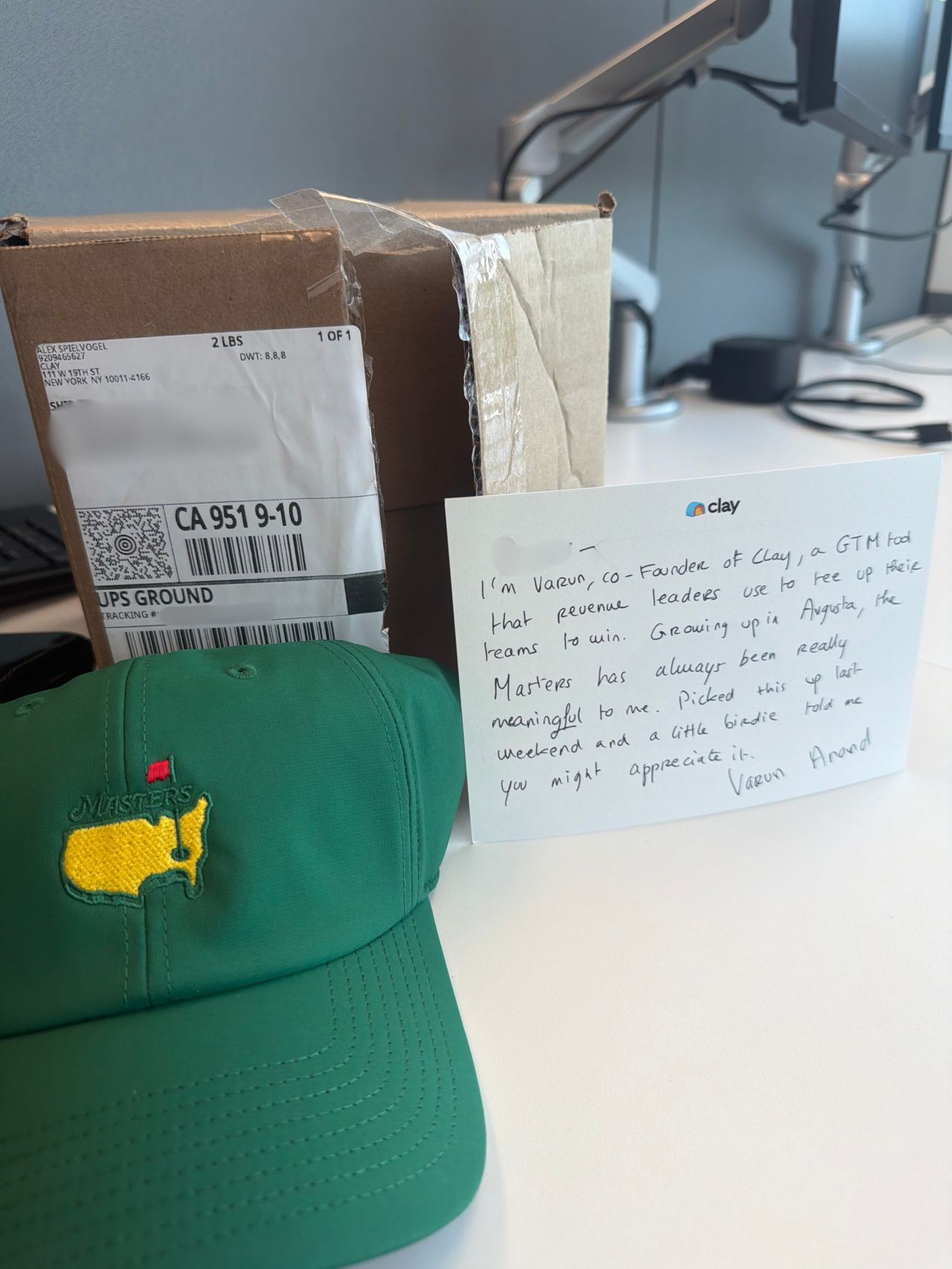
Scarcity people will queue for. Clay sent sold-out Masters merch to 114 verified golf fans at target accounts. Recipients posted it. The people who did not receive one found out about it anyway, which is awareness generated by 114 packages and $5,280.
Being the thing worth photographing. A cake with your pitch piped on the frosting gets a photo. A billboard that insults a rival city gets a photo. A trading card with someone's own face gets traded. Awareness in B2B is mostly a question of whether you made something a person would voluntarily show to someone else. See the full ABM examples roundup for more of them.
Sources
- Ehrenberg-Bass Institute for Marketing Science. "95% of B2B buyers are not in the market for your products." 2025. https://marketingscience.info/news-and-insights/ehrenberg-bass-95-of-b2b-buyers-are-not-in-the-market-for-your-products
- Ehrenberg-Bass Institute for Marketing Science. "The 95:5 rule is the new 60:40 rule." 2025. https://marketingscience.info/news-and-insights/the-955-rule-is-the-new-6040-rule
- Dreamdata. "The 95:5 Rule: Why B2B Growth Starts Long Before the Purchase," interview with Professor John Dawes. 2025. https://dreamdata.io/blog/the-95-5-rule-john-dawes
- uglyGTM. "8 Unconventional Account Based Marketing Real Examples." 2026. https://www.uglygtm.com/blog/account-based-marketing-examples
Real plays that use Brand awareness




FAQ
- What is the difference between brand awareness and brand recognition?
- Recognition is passive: shown your logo, someone knows it. Recall is active: given a problem, someone names you unprompted. Recall is the one that matters, because buyers building a shortlist start from memory, not from a lineup of logos.
- How do you measure brand awareness in B2B?
- Unaided recall surveys, branded search volume, direct traffic, and share of voice against competitors. Impressions are not a measurement, they are a receipt. If you only track impressions you have measured what you bought, not what happened.
- Does brand awareness actually drive revenue in B2B?
- Indirectly, and on a lag. Ehrenberg-Bass research finds around 95% of B2B buyers are out-of-market in a given quarter and cannot be persuaded in. Awareness raises the odds you are recalled when they move themselves in-market, which can be months or years later.
- How long does it take to build brand awareness?
- Quarters, not weeks. Ehrenberg-Bass found 95% of B2B marketers expect significant sales within the first two weeks of a campaign, which is roughly the same as planting a tree and checking for fruit on Thursday.
- What are distinctive brand assets?
- Colors, logos, characters, sounds, and phrasing that identify you without your name attached. Ehrenberg-Bass research emphasizes building them and then not changing them, because every rebrand resets the memory you spent years buying.
Related terms
Account-based marketing
Account-based marketing is a B2B strategy that treats a defined list of high-value companies as individual markets, building outreach around the specific people inside them instead of chasing individual leads.
Out-of-home advertising (OOH)
Out-of-home advertising is paid media placed in physical public space, including billboards, transit, airports, and elevator screens, that reaches people while they are away from home.
Demand generation
Demand generation is the marketing discipline of creating awareness and interest in a category across an entire market, then capturing that interest when buyers are ready to act.
Go-to-market strategy
A go-to-market strategy is the plan for how a company reaches and sells to a specific set of buyers, covering who you target, how you position and price the product, and which motion you sell through.