
Allbound
Also called: Inbound-led outbound, Integrated GTM, Full-funnel GTM
Allbound is running inbound and outbound as one coordinated motion rather than separate teams, using demand created by marketing to inform and warm the accounts sales reaches out to.
What is Allbound?
Allbound treats inbound and outbound as one motion instead of two departments. Marketing creates the demand and the signal, sales acts on it, and nobody argues about whose lead it was. The practical test is simple: if a rep can see that an account has been reading your stuff before they call, you are running allbound.
What is allbound?
Allbound is the practice of running inbound and outbound together, coordinated around the same account list, instead of as two separate machines with separate targets.
The old split was clean and increasingly useless. Demand generation created inbound leads, they got scored and routed, and a separate SDR team ran outbound prospecting against a cold list. Two teams, two pipelines, one long argument every quarter about attribution.
Allbound collapses that. Marketing activity creates awareness and signal across a defined set of accounts. Sales works those same accounts, with visibility into what each one has already seen and done. A cold call to an account that has read three of your posts and attended a webinar is not a cold call, and pretending otherwise wastes the most valuable context you have.
In practice it means:
- One account list. Marketing and sales target the same companies rather than optimising separate funnels.
- Shared signal. Engagement data from content, events, and ads is visible to the rep before they reach out.
- Sequenced touches across channels. A brand impression, then a piece of content, then a physical touch, then a call, aimed at the same buying group.
- A single number. Pipeline from target accounts, not MQLs on one side and meetings booked on the other.
The honest caveat is that allbound is mostly a rebrand of things good teams already did, and the word gets used to sell software. What is genuinely different is the tooling that makes shared signal practical, and the fact that pure volume outbound stopped working, which forced the two sides to talk.
How to run allbound without screwing it up
- Start from one account list. If marketing and sales are working different companies, everything downstream is theatre. Build the list from a real ideal customer profile and agree on it before anything ships.
- Make the marketing touch worth referencing. A rep can open with "you saw our thing" only if the thing was memorable. PostHog's lemonade stand and the LinkedIn wave around it created exactly that kind of shared context.
- Let brand do the warming. Delve hand-delivered branded donuts to startup offices and drove 4x its average demo volume plus about $1M in ARR. That is a marketing act producing sales conversations directly, which is the whole idea.
- Give sales the signal, not the score. Reps ignore a number they cannot interrogate. Show them what the account actually did.
- Use content to answer the objections outbound keeps hitting. If reps hear the same three concerns, those are the next three pieces. That loop is the cheapest alignment mechanism available.
- Report one pipeline number. As long as the two functions have separate scoreboards, they will optimise against each other regardless of what the strategy deck says.
When is allbound a bad idea?
You do not have enough demand to coordinate around. Allbound assumes marketing is creating something for sales to work with. With no awareness and no content, this is just outbound with a nicer name.
Your teams are compensated against each other. If marketing is paid on MQLs and sales on self-sourced meetings, no process change will survive the comp plan. Fix the incentives first.
Your motion is genuinely self-serve. Products where people sign up with a card and expand on their own do not need a coordinated sales overlay, and adding one adds cost to something already working.
You cannot share the data. Allbound depends on reps seeing marketing engagement. If the systems do not talk and nobody will make them, the strategy stops at the slide.
You are using it to avoid a hard call. Sometimes the answer is that outbound is not working because the message is wrong, and coordinating it with marketing does not fix the message.
Examples of allbound in the wild
Donuts that produced demos. Delve's branded box play is a marketing act measured in demo volume, 4x its average, with a founder post about it reaching 157,000 people on LinkedIn.
A launch people showed up for. PostHog's lemonade stand gave early access to people in town that week and spread on LinkedIn through posts by people outside the company, creating context any rep could reference.
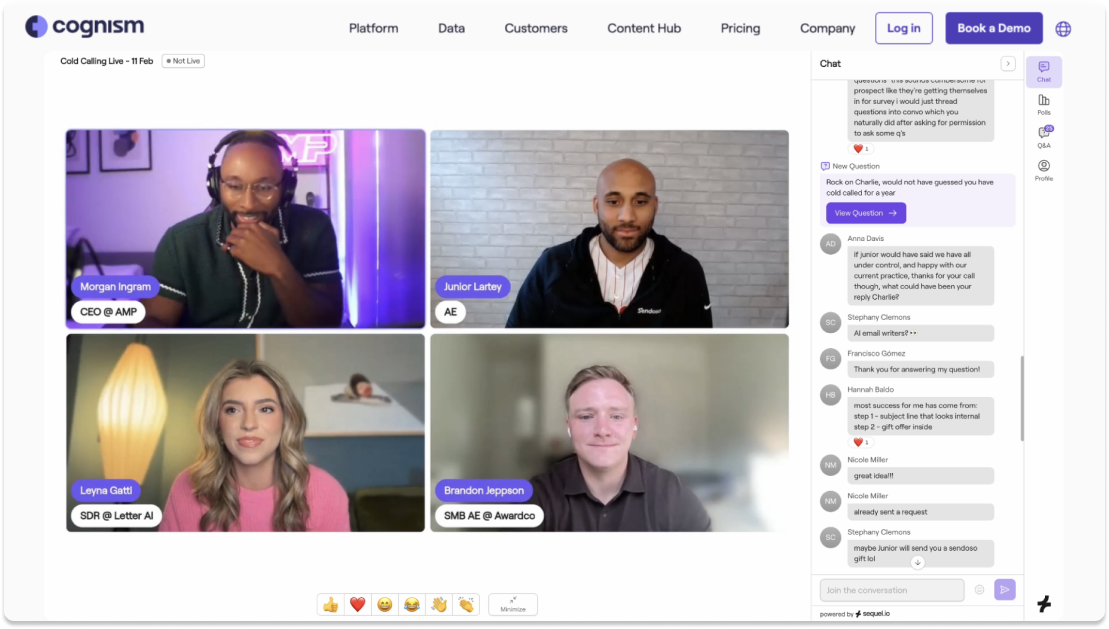
Content that arms the outbound. Cognism turned live cold calls into a recurring show, which builds an audience and trains the sales motion at the same time.
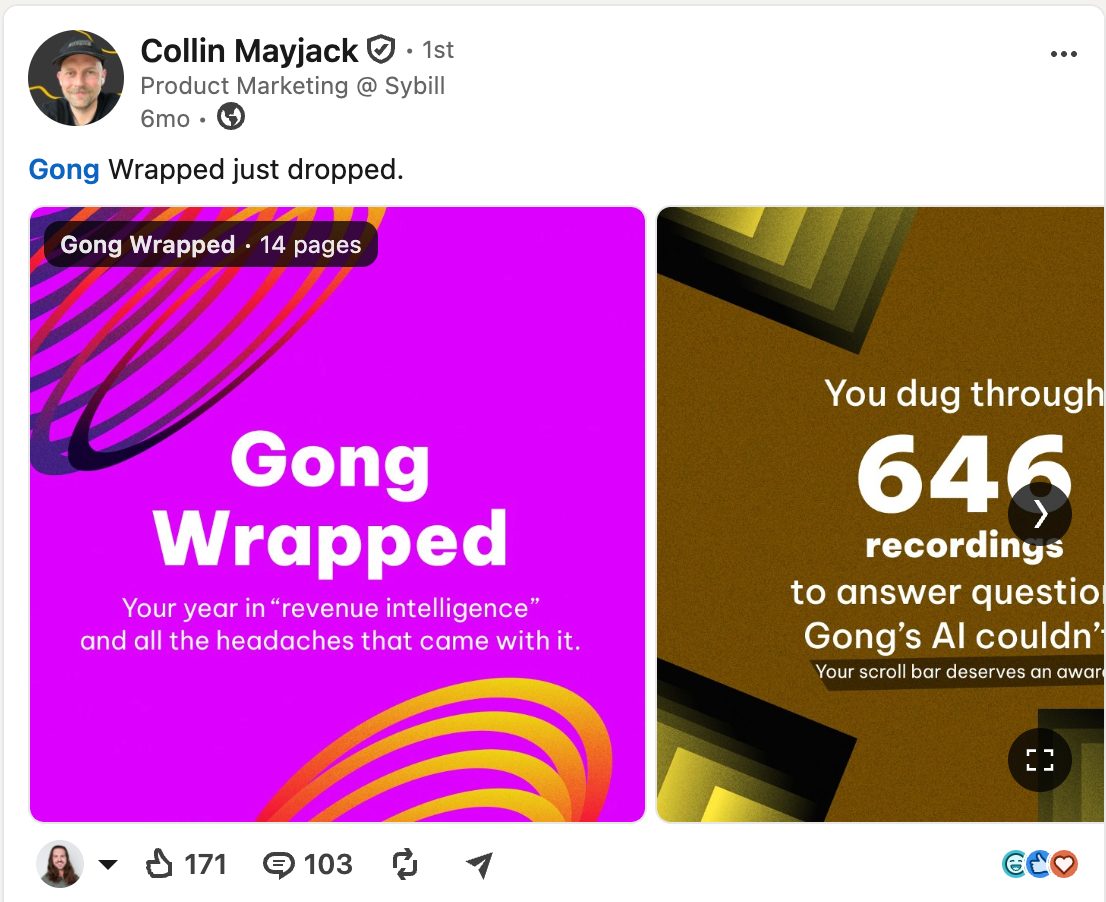
A competitive page timed with a campaign. Sybill's Gong Wrapped carousel ran between a comparison page launch and a webinar, pushing attention through a sequence rather than a single post.
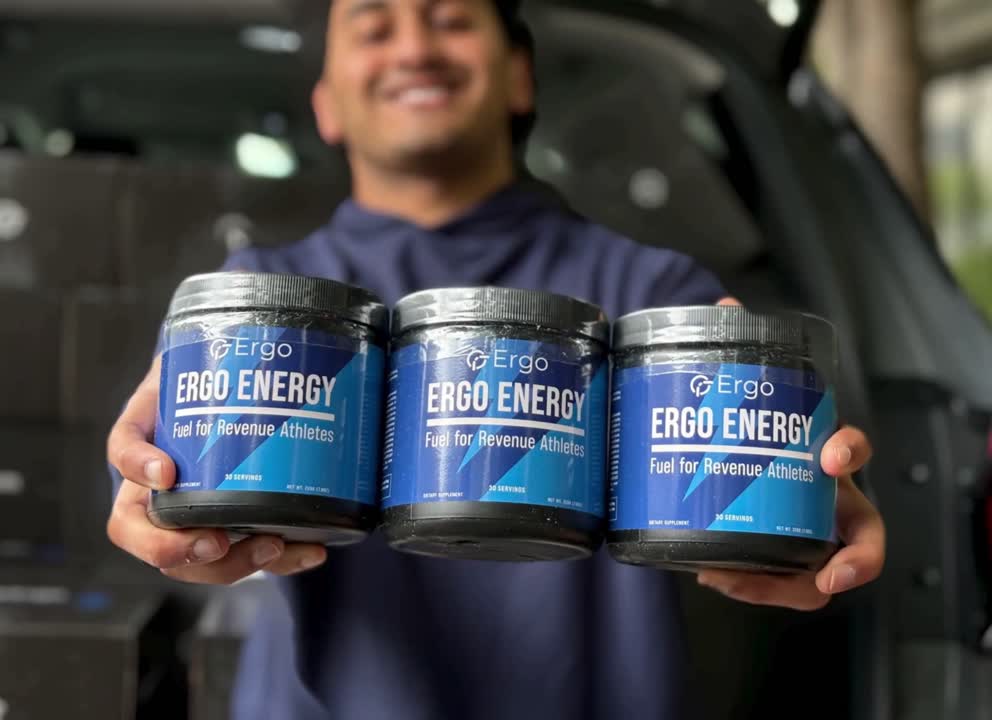
Physical touch as the opener. Ergo hand-delivered pre-workout to 50-plus local startups and roughly half booked a demo, with no sequence behind it.
Sources
- uglyGTM play library. 2026. https://www.uglygtm.com
Real plays that use Allbound







FAQ
- What is allbound marketing?
- Allbound is running inbound and outbound as one coordinated motion rather than as separate teams. Marketing creates demand and signal across a defined account list, sales works those same accounts with visibility into what each has already seen, and both report against one pipeline number.
- How is allbound different from inbound and outbound?
- Inbound waits for buyers to raise their hand. Outbound contacts them cold. Allbound uses the awareness and engagement created by marketing to inform and warm the accounts sales reaches out to, so the two motions feed each other instead of running in parallel.
- Is allbound just a buzzword?
- Partly. Good teams have coordinated these motions for years, and the term is often used to sell software. What is genuinely new is the tooling that makes shared engagement signal practical, and the collapse of volume outbound, which forced the two functions to work together.
- How do you measure allbound?
- With one number rather than two. Pipeline and revenue from the shared target account list, plus account coverage showing how many people inside each account are engaged. Keeping separate MQL and meeting targets guarantees the two teams optimise against each other.
- What does allbound need to work?
- A single agreed account list, marketing engagement data visible to reps before they reach out, and a compensation structure that does not pit the teams against each other. Missing any of those three and it stays a slide rather than a motion.
Related terms
Account-based marketing
Account-based marketing is a B2B strategy that treats a defined list of high-value companies as individual markets, building outreach around the specific people inside them instead of chasing individual leads.
Outbound prospecting
Outbound prospecting is initiating contact with buyers who have not raised their hand, using email, calls, social, or physical touches to start a conversation the buyer did not ask for.
Demand generation
Demand generation is the marketing discipline of creating awareness and interest in a category across an entire market, then capturing that interest when buyers are ready to act.
Go-to-market strategy
A go-to-market strategy is the plan for how a company reaches and sells to a specific set of buyers, covering who you target, how you position and price the product, and which motion you sell through.
Signal-based selling
Signal-based selling triggers outreach off an observed event rather than a calendar, contacting a buyer because something specific and verifiable just happened at their company or in their world.