
Signal-based selling
Also called: Trigger-based selling, Signal-led outbound, Event-based prospecting
Signal-based selling triggers outreach off an observed event rather than a calendar, contacting a buyer because something specific and verifiable just happened at their company or in their world.
What is Signal-based selling?
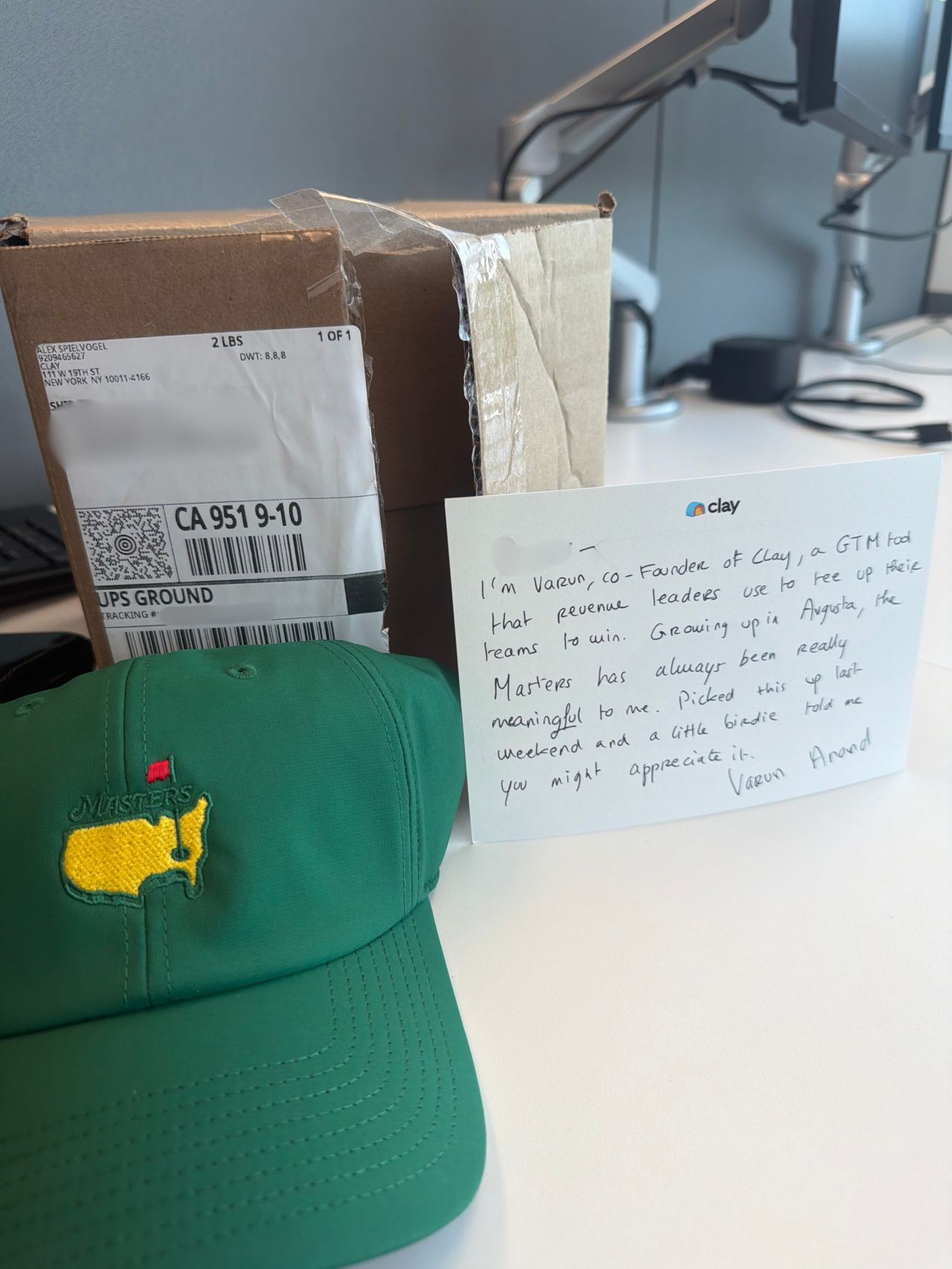
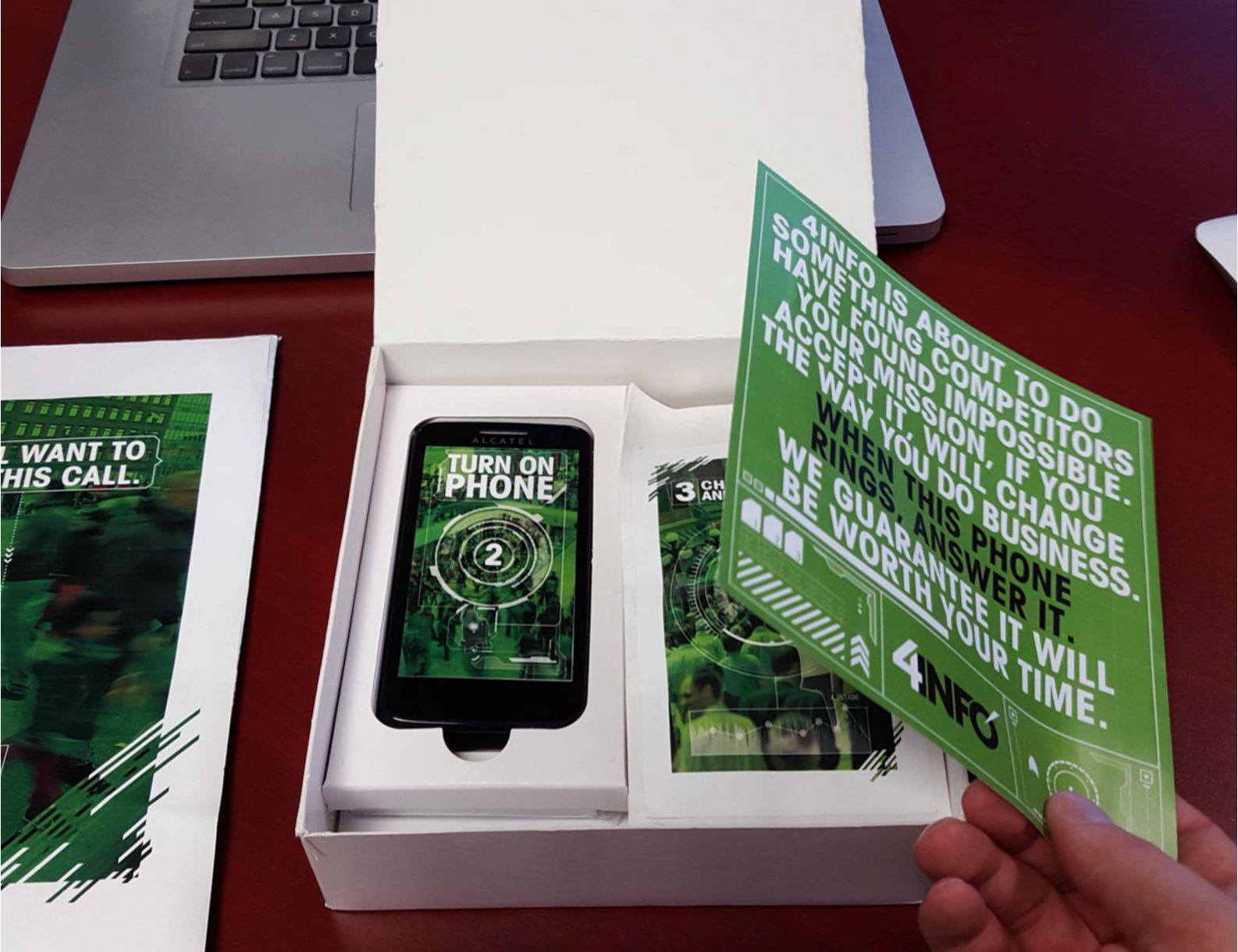
Signal-based selling replaces "it is Tuesday, send the sequence" with "this specific thing just happened, so reach out now." Clay used buying signals to find genuine golf fans at Tier 1 accounts before spending a dollar. 4info used six months of silence as the trigger and booked 77 meetings from 274 buyers.
What is signal-based selling?
Signal-based selling means the reason you are contacting someone is an event, not a date on a cadence. Something observable happened, and that event is both the trigger and the opening line.
Signals fall into three useful buckets:
- Company signals. Funding, hiring, leadership changes, a new office, a tech stack change, a competitor mention, a compliance deadline.
- Person signals. A job change, a conference talk, a post about the exact problem you solve, a publicly stated interest.
- Behavioural signals. Product usage, repeat site visits, documentation reads, and third-party intent data suggesting active research.
The reason this replaced volume outbound is arithmetic. When every buyer receives hundreds of sequenced emails a week, relevance is the only thing that survives the delete key, and a signal is the cheapest available proof of relevance. It answers the question every cold message fails to answer, which is "why are you contacting me now."
The trap worth naming: most teams use signals to expand the list rather than shrink it. They buy an intent feed, discover 4,000 accounts showing surge, and email all of them. That is volume outbound with a more expensive input. The correct use is subtraction. The signal tells you which 40 of your 4,000 accounts deserve real effort this week, and then you spend the effort you saved on the other 3,960.
How to run signal-based selling without screwing it up
- Verify the signal before you spend on it. A supercar track day play confirmed a buyer's motorsport obsession across two independent sources before anyone booked a car. One liked post is not a signal, it is a coincidence.
- Match the response to the signal's strength. A funding round justifies a good email. A verified personal passion at a Tier 1 account justifies $5,280 of sold-out Masters swag across 114 packages, which returned roughly 40x because the targeting was earned first.
- Treat silence as a signal too. 4info used six months of no reply as the trigger, mailing working phones to 274 senior buyers with a note reading "You'll want to take this call." 77 booked, worth roughly $2M in pipeline.
- Let one fact carry the whole play. GumGum found out T-Mobile's CEO loved Batman and built a custom comic around it. One signal, one person, one object, one account won.
- Reference the signal without being creepy. There is a line between "I saw you are hiring three platform engineers" and reciting someone's browsing history. Stay on the side of things a person would expect to be public.
- Shorten the gap between signal and contact. Most signals decay fast. A hiring post is interesting for two weeks and irrelevant at eight. If the workflow takes a month to act, you are sending cold email with extra steps.
When is signal-based selling a bad idea?
Your signals are not actually predictive. Plenty of teams build elaborate scoring on events that have no relationship to buying. Check whether the signal correlates with closed-won before you build a machine on top of it.
You are using it to justify more volume. If the intent feed grows your list rather than cutting it, you have bought an expensive way to keep doing what stopped working.
The signal is available to everyone. Public funding announcements trigger every vendor in the category simultaneously. If your entire play is "they raised, so I emailed," you are one of forty identical emails that week.
You cannot act fast enough. Signal value decays. An organization that needs three weeks of approvals to send an email will always arrive after the moment has passed.
Your deal size cannot fund the response. The point of a signal is to justify spending real effort on fewer accounts. If the economics do not support a meaningful touch, the signal has nowhere to go.
Examples of signal-based selling in the wild
Verified golf fans, not golf-adjacent guesses. Clay's Masters play used signals to identify people who genuinely queue for that merch, then spent $46 a head on 114 of them.
Six months of silence as a trigger. 4info's phone mailer turned a negative signal into 77 meetings and about $2M in pipeline.
One verified passion, one meeting. The supercar track day cost about $500 and won the meeting because the interest was confirmed twice before anyone spent anything.
A single fact about a single CEO. GumGum's comic book is the purest version of this. The signal was one publicly known preference, and the account was won within days.
Buying signals behind a hand delivery. Ergo walked branded pre-workout into 50-plus local startups, using geography as the qualifying signal. About half booked a demo.
More signal-led plays are in the ABM examples roundup.
Sources
- uglyGTM play library. 2026. https://www.uglygtm.com
Real plays that use Signal-based selling







FAQ
- What is signal-based selling?
- Signal-based selling triggers outreach off an observed event rather than a calendar. Something specific and verifiable happened at a company or to a person, and that event becomes both the reason to reach out and the opening line.
- What counts as a buying signal?
- Company signals like funding, hiring, leadership changes and tech stack shifts. Person signals like a job change, a conference talk or a stated interest. Behavioural signals like product usage, repeat site visits and third-party intent data suggesting active research.
- How is signal-based selling different from intent data?
- Intent data is one category of signal, usually behavioural and bought from a third party. Signal-based selling is the broader practice of triggering action off any observable event, including public company news and personal details you verified yourself.
- What is the most common mistake with signals?
- Using them to expand the list instead of shrinking it. Teams buy an intent feed, find 4,000 accounts showing surge, and email all of them. The correct use is subtraction: the signal tells you which 40 accounts deserve real effort this week.
- How quickly do you need to act on a signal?
- Fast, because most signals decay. A hiring post is interesting for about two weeks and irrelevant by two months. If your workflow takes a month to act on a trigger, you are sending cold email with extra steps.
Related terms
Account-based marketing
Account-based marketing is a B2B strategy that treats a defined list of high-value companies as individual markets, building outreach around the specific people inside them instead of chasing individual leads.
Intent data
Intent data is behavioral signal indicating that a company or person is actively researching a product category, used to prioritize which accounts to contact and when.
Outbound prospecting
Outbound prospecting is initiating contact with buyers who have not raised their hand, using email, calls, social, or physical touches to start a conversation the buyer did not ask for.
Go-to-market strategy
A go-to-market strategy is the plan for how a company reaches and sells to a specific set of buyers, covering who you target, how you position and price the product, and which motion you sell through.
GTM engineer
A GTM engineer is a technical go-to-market operator who builds automated systems for finding, enriching, and reaching buyers, sitting between marketing, sales, and engineering.