
Account-based marketing
Also called: Account-based everything, ABX, Key account marketing
Account-based marketing is a B2B strategy that treats a defined list of high-value companies as individual markets, building outreach around the specific people inside them instead of chasing individual leads.
What is Account-based marketing?
Account-based marketing picks a short list of named companies and builds something specific for the people inside them. Gartner puts a typical buying committee at six to ten people. Done well it looks less like ads and more like a custom comic book that wins a Fortune 500 account in days.
What is account-based marketing (ABM)?
Account-based marketing is what happens when you stop treating a company as a source of leads and start treating it as a market of one.
Traditional demand generation casts a wide net, catches whoever fills out the form, scores them, and hands the good ones to sales. ABM flips it. You pick the companies you want by name, then build activity aimed at the actual humans inside them. Nobody has to raise their hand first.
The reason this exists is that the form-fill model does not match how B2B purchases happen. Gartner puts a typical buying group for a complex B2B solution at six to ten decision makers, each showing up with four or five pieces of research they gathered on their own. Forrester's State of Business Buying work puts the average closer to 13, with most decisions crossing departments. Capture one lead from an account and you have reached maybe a tenth of the people with a vote.
ABM runs at three tiers, and mixing them up is why people argue about whether it works:
- One-to-one (strategic ABM). Bespoke programs for individually named accounts. Real research, custom creative, sometimes a custom object. A handful of accounts per person.
- One-to-few (ABM lite). Clusters of five to fifteen accounts sharing an industry, a use case, or a trigger. Most assets get reused with light tailoring.
- One-to-many (programmatic ABM). Firmographic and intent-driven campaigns across hundreds of accounts. Barely any customization, heavy tooling.
Does it work? Momentum ITSMA's 2024 Global ABM Benchmark, a survey of 300-plus B2B marketers, found 81% reporting higher ROI from ABM than from anything else they run. Now hold that next to a less flattering number from the same research: only 17% of ABM programs are fully embedded in go-to-market strategy. Everyone else is still experimenting.
Both are true, and together they explain the whole category. ABM works. Almost nobody is actually doing it. What most teams call ABM is display ads pointed at a company list and a sequence with a merge tag in it, which is just outbound wearing a nicer jacket.
The version that works is the one where a person opens something and thinks, someone actually paid attention to me.
How to run ABM without screwing it up
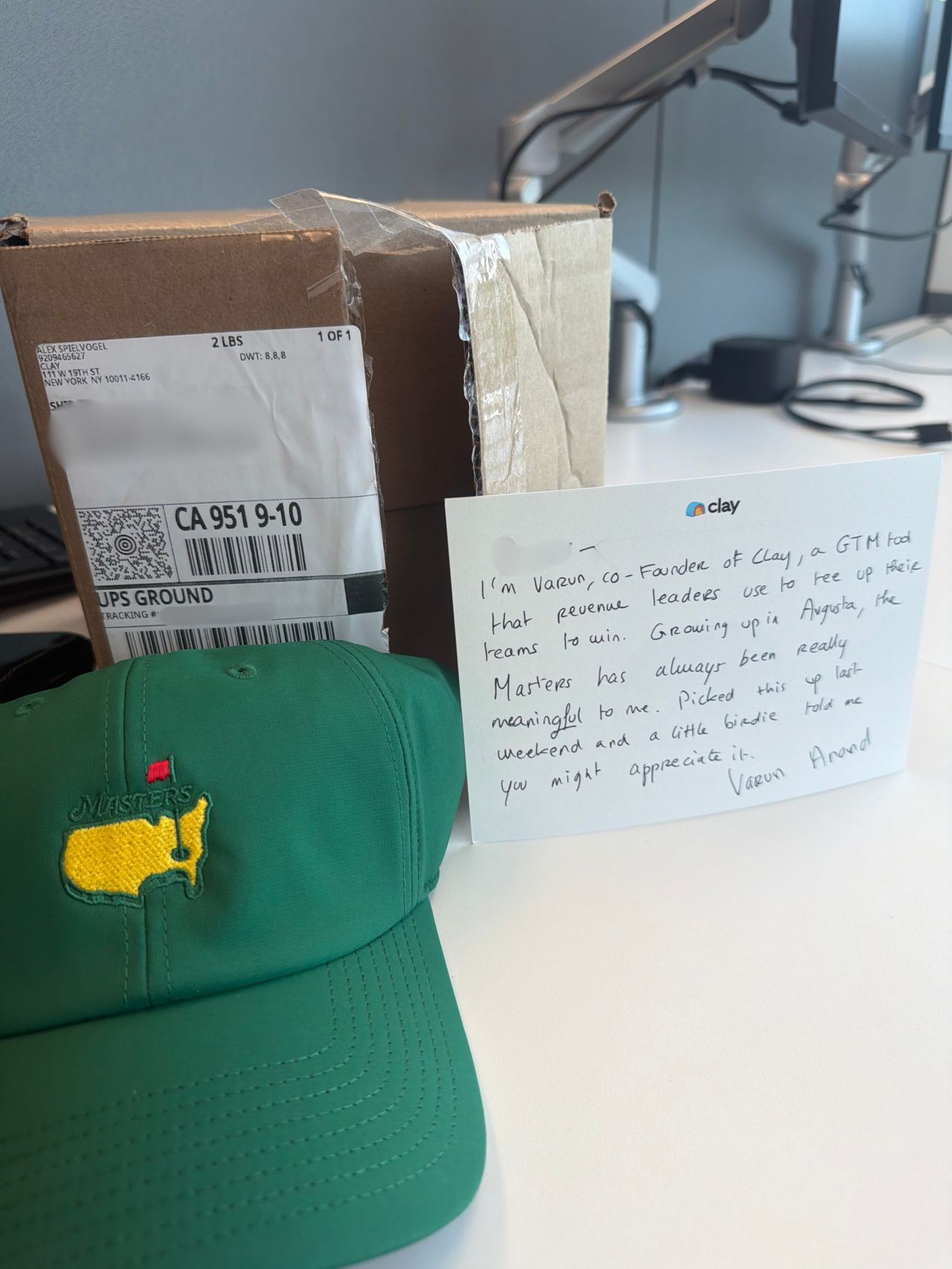
- Signal first, gift second. This is the whole thing. Every play that lands starts with one real, verified fact about one real person. Clay used buying signals to find the actual golf fans at Tier 1 accounts before spending a dollar. GumGum found out T-Mobile's CEO loved Batman. A supercar track day team verified a buyer's motorsport obsession across two independent sources before booking anything. Skip the research and you are mailing expensive junk mail.
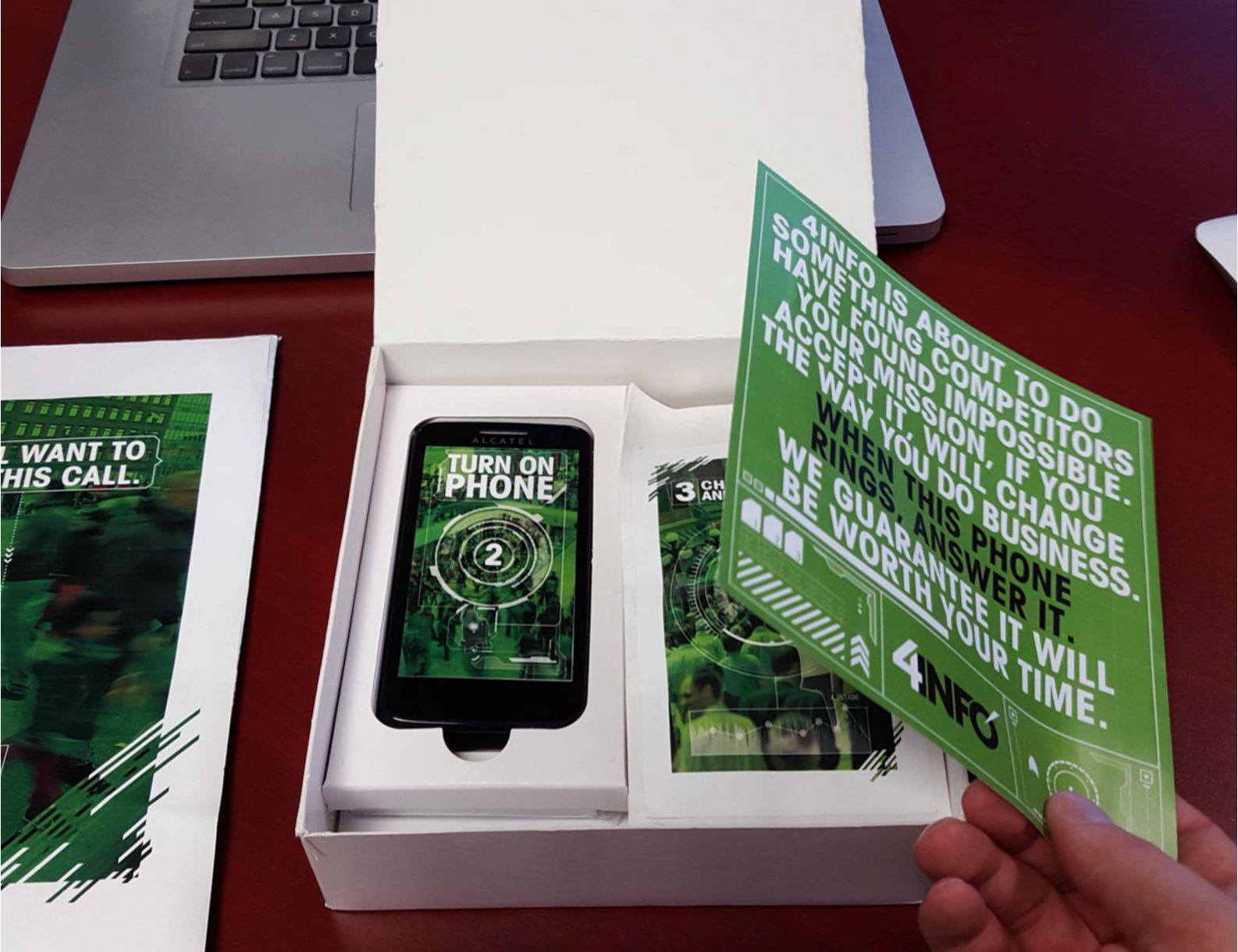
- Match the gift to the pitch. 4info sold mobile advertising, so when 274 senior buyers went dark for six months they mailed each one a working phone with a note reading "You'll want to take this call." 77 took the meeting. Around $2M in pipeline, roughly 28x. A generic gift card would have gotten none of that, because the object was the argument.
- Send something they physically cannot ghost. You archive an email in half a second. You do not archive a cake with your name piped on top sitting on your desk. Daymaker books meetings on 35% of campaigns with a same-day reply rate near 30%, against roughly 0.1% for cold email. One rep booked 17 meetings in a single day, KPMG among them.
- Put the buyer inside the gift and let them distribute it. Juicebox reprinted Guess Who with the faces of top recruiting voices and mailed it to those same people, who posted it to their own audiences for free. Standout did Panini-style trading cards of the tech scene. When someone is on the card, they do your marketing for you.
- Spend real money on a short list instead of a little on a long one. Clay spent $5,280 total across 114 packages. That is $46 a head, which is absurd at 2,000 names and cheap at 114 when it returns roughly 40x. The cost that kills you is never the gift. It is spraying the gift.
- Handwrite the note. Every play above included one. It is the cheapest signal that a human was involved, and it is the first thing missing from every automated version of this.
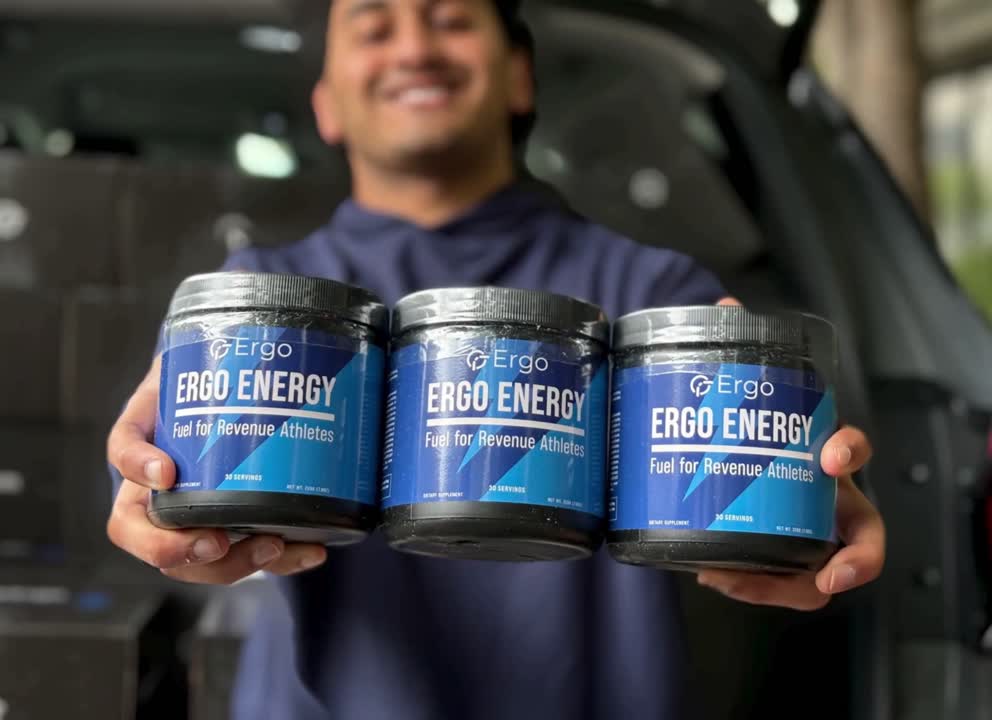
- Budget is not the same as thought. Chili Piper built short Spotify playlists for prospects, screenshotted them, and sent the image. Costs nothing. Beats a fourth "just bumping this" every time. Ergo made 500 tubs of branded pre-workout and walked them into 50-plus SF startups by hand. About half booked a demo, with no sequence behind it at all.
- Market to the committee, not just the champion. The comic wins the meeting. The security one-pager, the finance model, and the integration answer win the deal. Your champion is selling you in rooms you will never see, so give them something they can forward without editing.
- Measure account coverage, not MQLs. How many people inside the account are engaged, how senior, and is that widening across functions. Report ABM in lead volume and you have rebuilt the exact thing you were escaping, with worse numbers.
When is ABM a bad idea?
Your deal size cannot carry it. Research, custom creative, and a rep's attention cost real money per account. Under roughly $25k ACV the one-to-one tier stops penciling. Run efficient demand generation and a good self-serve motion instead.
You cannot name your accounts. ABM needs a defensible target list, which needs a real ideal customer profile. If your wins have no pattern, building an account list first is just guessing with extra steps.
Your motion is product-led and horizontal. People sign up with a card and expand on their own? Bolting an account-based overlay onto that adds cost to something already working. Layering ABM on later for enterprise expansion is fine, but that is a second motion, not a replacement.
You have no sales team to pair with. ABM is a joint operation. Without a rep working the account, you are producing custom objects that land in nobody's hands. This is how ABM dies in companies under 50 people.
Leadership wants results this quarter. Depth takes time. If the real requirement is bookings in ninety days, say so and go buy demand. Starting ABM under that constraint means two quarters of effort and a cancellation right before it would have paid.
You are not willing to do the research. The plays above are not expensive because of the object. They are expensive because someone had to find out that one person loves Batman. If nobody on the team will do that work, you will send generic swag, get nothing, and conclude ABM does not work.
Examples of ABM in the wild
A comic book that won T-Mobile. GumGum skipped outbound entirely. They found one fact about the one person who could say yes, CEO John Legere was a huge Batman fan, and built him a custom spoof comic called T-Man and Gums casting him as the hero and their tech as the sidekick. A hundred copies went to T-Mobile and its agencies. Legere praised it publicly within hours. The meeting was booked within days and they won the account. It does not scale. That is the point.
$5,280 of sold-out Masters swag. Clay bought merch people queue for hours to get, then used signals to find the genuine golf fans at Tier 1 accounts. 114 packages went out with handwritten notes, 110 landed, and it booked dozens of C-suite GTM meetings tracking toward roughly 40x. One reply: "I'd be an a-hole if I didn't at least take a meeting."
Phones to people who ghosted. 4info had 274 senior agency buyers go dark for six months. Chuck Moxley's team boxed a working phone for each. 77 meetings, about $2M in pipeline, roughly 28x.
A Ferrari instead of a steak dinner. A track day built for a verified motorsport fan at a target account. Ferrari, Lamborghini, Porsche. The ask was 20 minutes. It cost about $500 and got the meeting. The car was not the point. Matching the signal was.
Conference-adjacent targeting. Your accounts are physically in one place for four days a year. Pair the list with out-of-home advertising around the convention center and pre-booked rep meetings, and you get a concentration of your ICP you cannot buy any other way. Cheaper than a booth and much harder to ignore.
Full breakdowns of these and more are in the 8 unconventional ABM examples roundup.
Sources
- Momentum ITSMA. "The best of ABM is yet to come" (2024 Global Account-Based Marketing Benchmark). 2024. https://momentumitsma.com/insights/the-best-of-abm-is-yet-to-come
- Momentum ITSMA. "Annual ABM Benchmarking study." 2023. https://momentumabm.com/insights/momentum-itsmas-annual-abm-benchmarking-study-shows-no-signs-of-slow-down-for-account-based-marketing
- Gartner buying group research, as compiled in Traction Complete, "Mapping the B2B Buying Committee." 2026. https://tractioncomplete.com/articles/mapping-the-b2b-buying-committee/
- Forrester. "The State of Business Buying, 2024," as cited in the above. 2024.
- uglyGTM. "8 Unconventional Account Based Marketing Real Examples." 2026. https://www.uglygtm.com/blog/account-based-marketing-examples
Real plays that use Account-based marketing
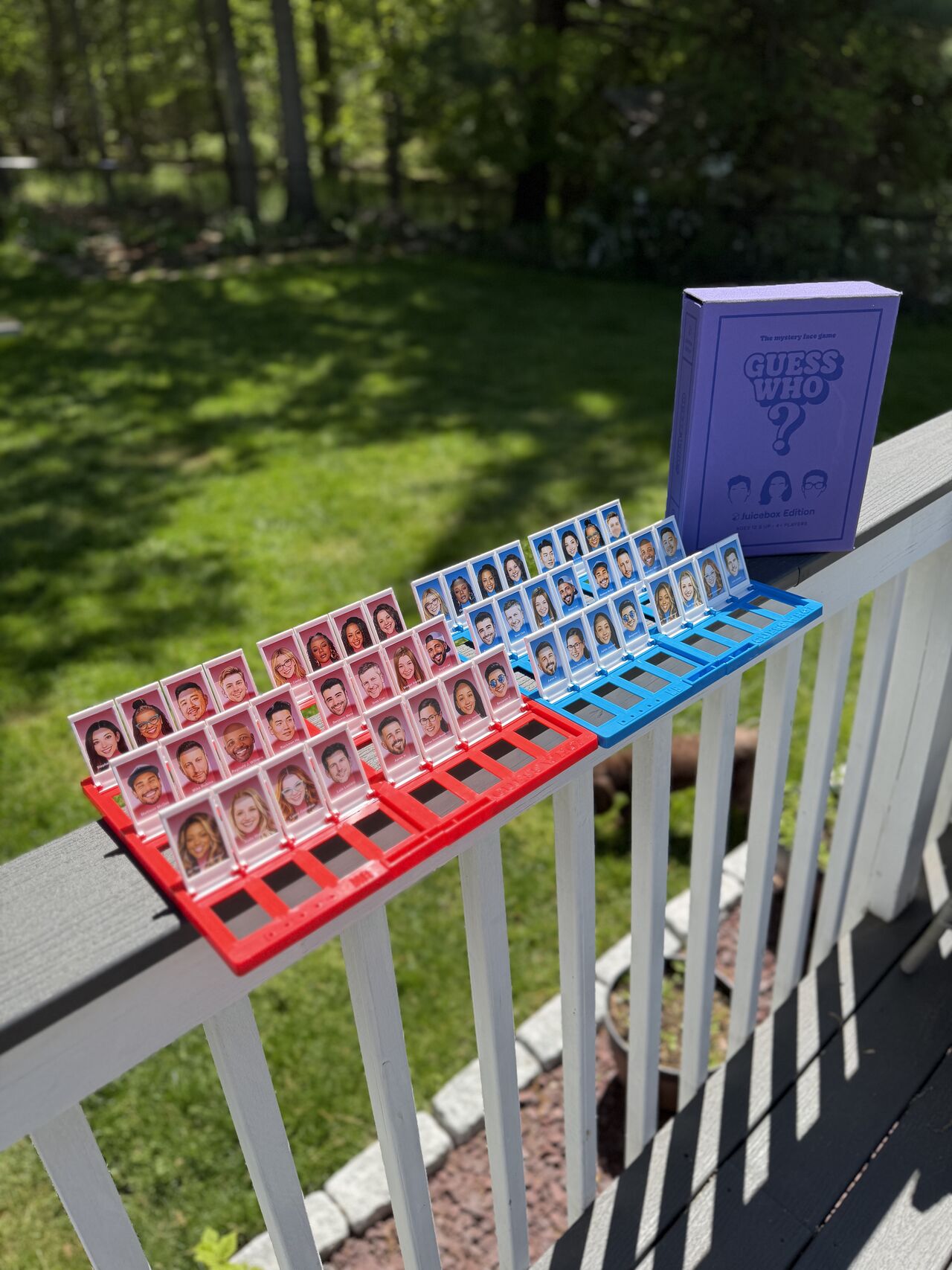

Custom Guess Who Game
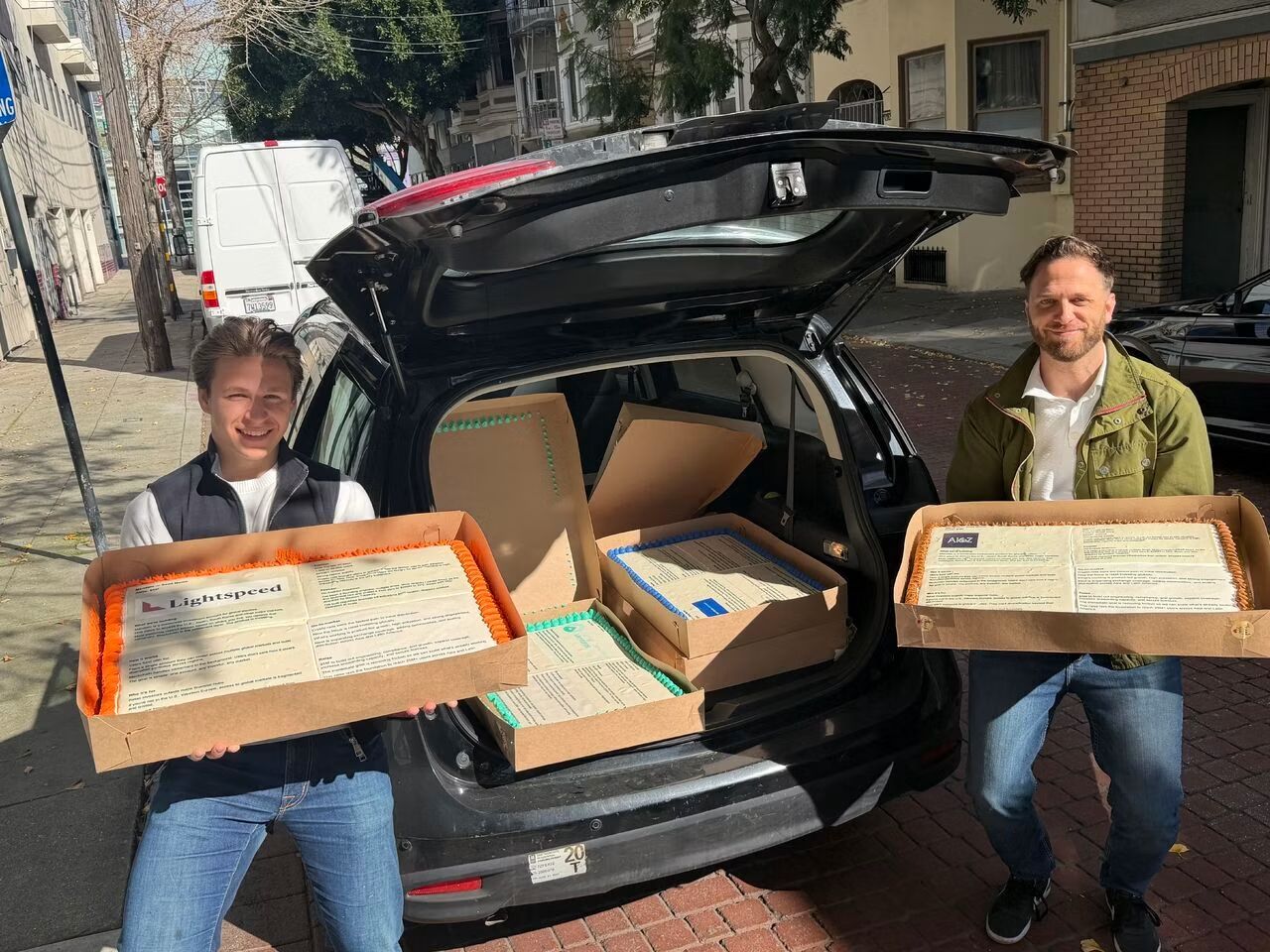

Send a Cake, Book the Meeting
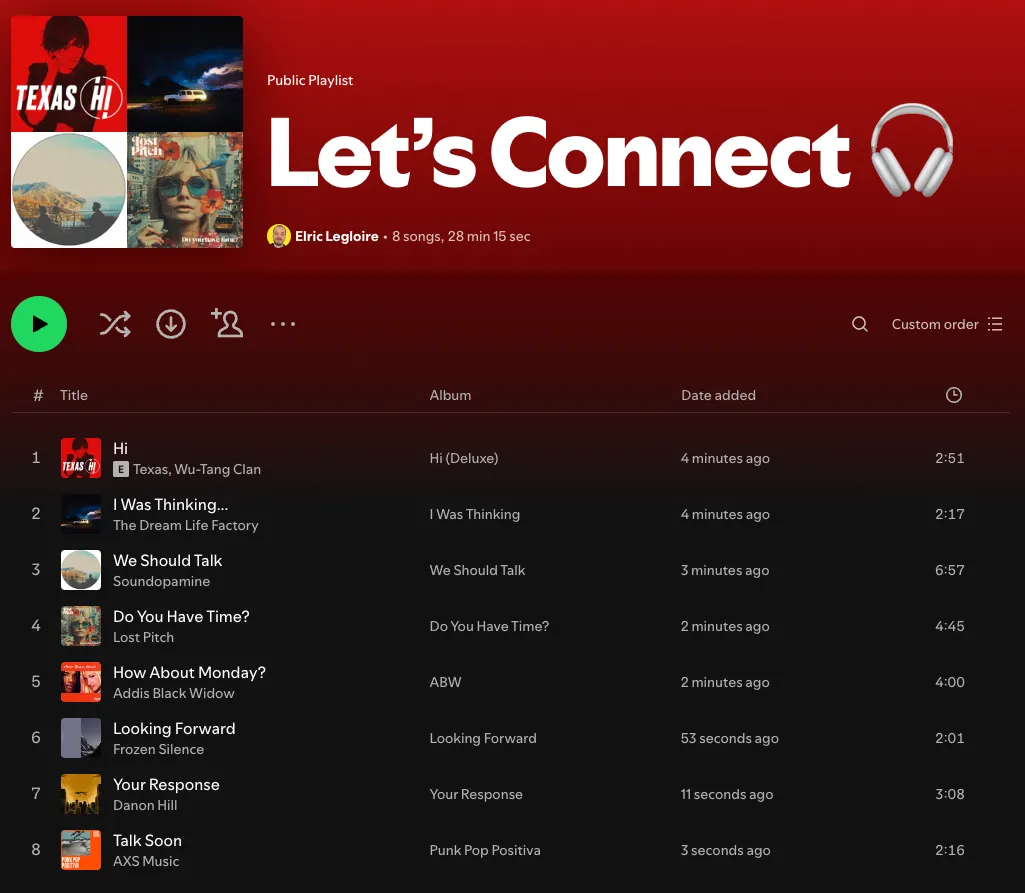

Make Them a Spotify Playlist and Screenshot It
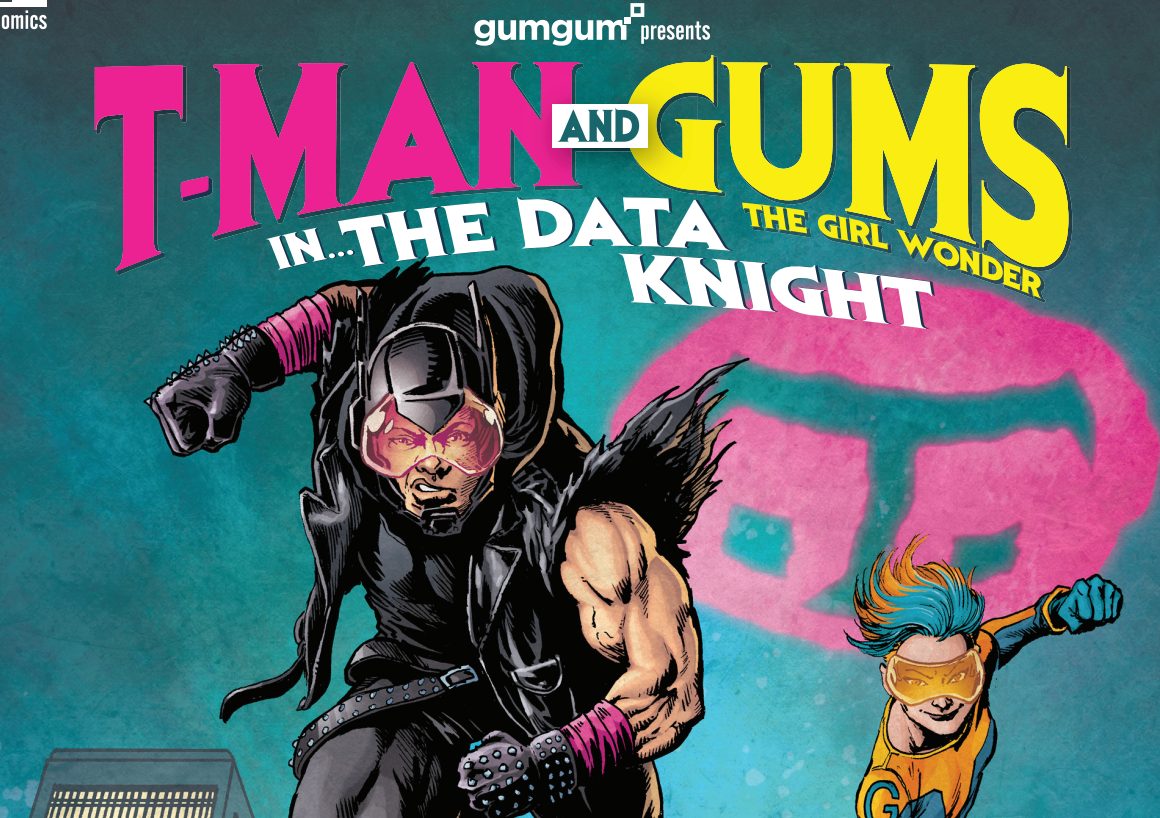

Personalized ABM Comic Book

Hand-Deliver Custom Pre-Workout to Local Startups

Send sold out masters swag


Collectable panini cards of your whole industry

A supercar track day to earn a meeting

Mail Actual Phones to Prospects Who Ghost You
FAQ
- What is the difference between ABM and demand generation?
- Demand generation fills the top of the funnel with anyone matching your ICP and lets the best-fit leads surface. ABM starts from a fixed list of named accounts and works them whether or not they raised their hand. Most companies need both running at once.
- Do ABM gifts actually book meetings?
- When they match the person, yes. 4info mailed working phones to 274 buyers who had ghosted them and booked 77 meetings worth roughly $2M. Clay spent $5,280 on sold-out Masters swag and booked dozens of C-suite meetings. Generic swag does not do this. Specific gifts do.
- How many accounts should be on an ABM target list?
- Fewer than you want. One-to-one programs run 5 to 50 accounts per rep. One-to-few runs clusters of 10 to 100. If your list has 2,000 logos on it you are doing segmented demand generation and calling it ABM.
- Does ABM work for SMB deals?
- Rarely at the one-to-one tier. Research, custom creative, and coordinated outreach cost real money per account. Under roughly $25k ACV the arithmetic usually fails unless expansion revenue over several years carries it.
- How do you measure ABM?
- Track account-level engagement rather than lead volume: how many people inside each target account are active, how senior they are, and whether coverage is widening across the committee. Pipeline and closed-won follow, but they lag by a quarter or more.
Related terms
Intent data
Intent data is behavioral signal indicating that a company or person is actively researching a product category, used to prioritize which accounts to contact and when.
Ideal customer profile
An ideal customer profile is a description of the company types that get the most value from your product and are the cheapest for you to win, keep, and grow.
Out-of-home advertising (OOH)
Out-of-home advertising is paid media placed in physical public space, including billboards, transit, airports, and elevator screens, that reaches people while they are away from home.
Demand generation
Demand generation is the marketing discipline of creating awareness and interest in a category across an entire market, then capturing that interest when buyers are ready to act.
Go-to-market strategy
A go-to-market strategy is the plan for how a company reaches and sells to a specific set of buyers, covering who you target, how you position and price the product, and which motion you sell through.