
Ideal customer profile
Also called: ICP definition, Target account profile, Best-fit customer profile
An ideal customer profile is a description of the company types that get the most value from your product and are the cheapest for you to win, keep, and grow.
What is Ideal customer profile?
An ideal customer profile describes the companies most likely to buy, stay, and expand, based on what your best existing customers actually have in common. It is a company-level filter, not a persona. Its real job is telling you which accounts to ignore, which is the part everyone skips.
What is an ideal customer profile (ICP)?
An ideal customer profile is the description of which companies you want, written specifically enough that someone else can apply it without asking you.
Not "mid-market SaaS companies." That is a vibe. An ICP is closer to: B2B software companies, 200 to 1,000 employees, with a named RevOps function, running Salesforce, that raised a round in the last 18 months and have at least three people in a specific role. Every clause in that sentence is something a human or a filter can check.
The thing people get wrong is thinking an ICP describes who can buy. It describes who you want, which is a much smaller and more useful set. Your ICP's actual job is to give your team permission to say no. If your profile does not disqualify anyone, you have written a mission statement.
ICP is company-level. Persona is person-level. These get used interchangeably and they do different jobs. The ICP picks the account. The persona tells you what the security lead cares about versus the CFO. Gartner puts a typical B2B buying group at six to ten people, so one ICP usually implies several personas underneath it.
ICP is not TAM. Total addressable market is the number you put on a slide to make a VC nod. An ICP is an operating filter a rep applies on a Tuesday afternoon while deciding whether to work an account. If your target list has 4,000 companies on it, you have written a TAM and labeled it an ICP.
A good ICP has three layers:
- Firmographic. Size, industry, geography, revenue, funding stage. Easy to filter, weakest predictor on its own.
- Operational. Do they have the team, the tooling, and the workflow that make your product make sense? A company with no RevOps function will not adopt a RevOps tool no matter how well it fits on paper.
- Trigger. What just happened that opened the window? New funding, a new exec in a relevant seat, a compliance deadline, a competitor's contract coming up. Firmographics tell you who. Triggers tell you when.
How to build your ICP without screwing it up
- Start with retention, not revenue. The instinct is to build the profile around your biggest logos. Those are often your worst-fit customers who happened to have budget, and they churn loudly in year two. Build from accounts that renewed, expanded, and did not need heroics from support.
- Write the disqualifiers first. The industries where you always lose. The company structures your product argues with. The deal size that generates more tickets than revenue. This list is shorter, easier to agree on, and reps will use it constantly.
- Test it against closed-lost. Run the last twelve months of losses through the profile. If most of your losses would have passed the filter, the filter is not doing anything. Adjust until it separates.
- Include a trigger layer or accept bad timing. A perfect-fit account that just signed a three-year deal with your competitor is not a good account this quarter. Ehrenberg-Bass research suggests only around 5% of B2B buyers are in-market in a given quarter, so fit without timing means you are early, which is a nicer word for wrong.
- Keep it to one page. An ICP living in a 40-slide deck is an ICP nobody applies. If a new SDR cannot read it in two minutes and use it in the third, it does not exist operationally.
- Get sales to sign it. Marketing writing an ICP alone produces a document sales quietly ignores while working whatever accounts they like. Two teams, one page, actual agreement.
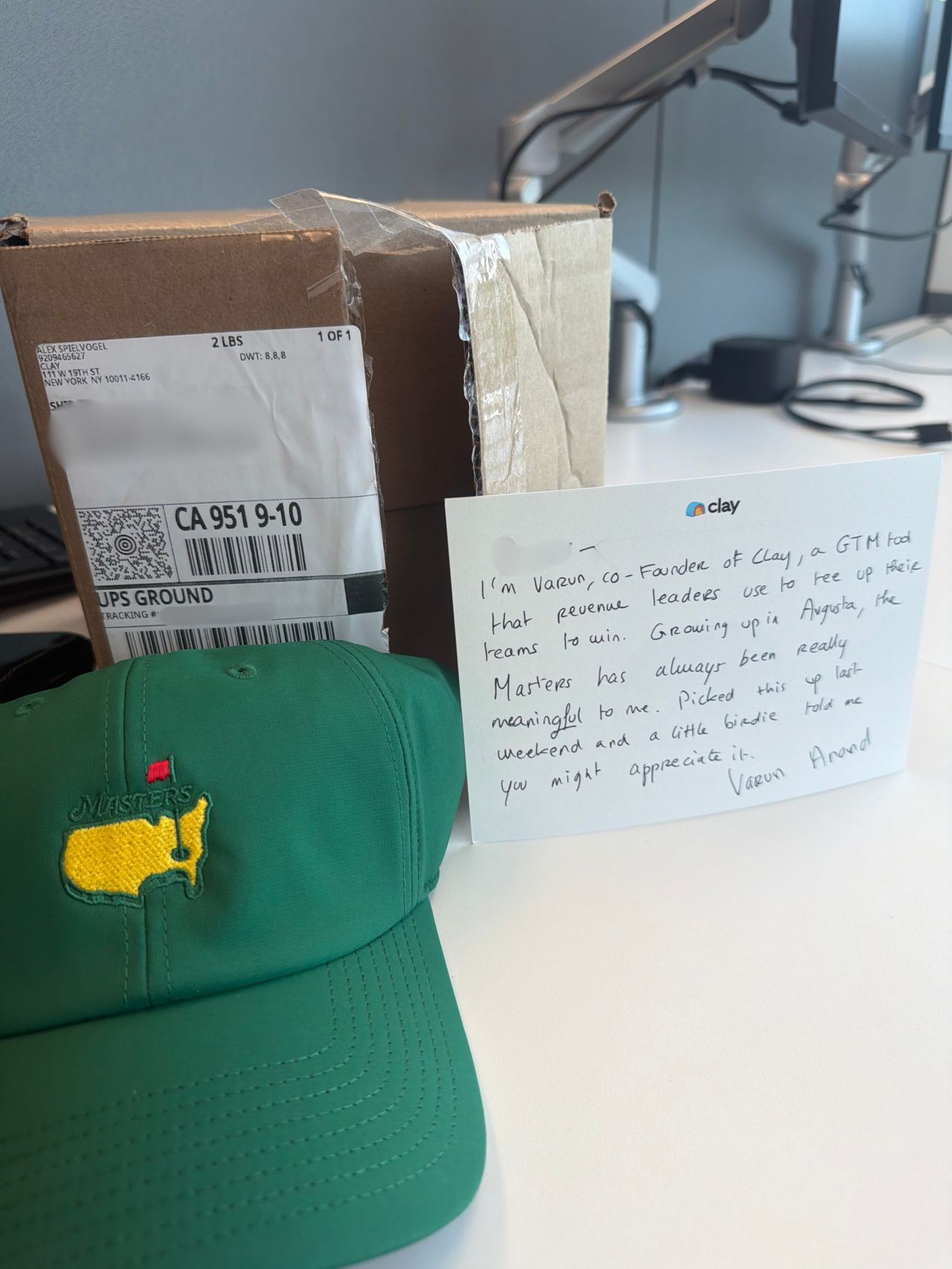
- Layer signal on top before you spend real money. The ICP narrows you to a list. Intent data and person-level research narrow you to a moment and a human. Clay used buying signals to find the actual golf fans inside Tier 1 accounts before spending $5,280 on Masters swag. ICP got them the list. Signal got them the 40x.
When is an ICP a bad idea?
You have fewer than ten customers. You do not have a pattern, you have a coincidence. Writing an ICP this early locks in the biases of whoever you happened to sell to first, and then you spend a year filtering out the customers who would have worked. Stay deliberately wide, take notes, and write the profile when the data earns it.
You are pre-product-market fit. The ICP is downstream of knowing what you are good at. If the product is still moving, the profile will be obsolete before anyone reads it.
Your product is genuinely horizontal and self-serve. If people sign up with a card and expand on their own across a dozen unrelated industries, an aggressive ICP filter mostly turns off working acquisition. Use it to focus sales-assisted motions instead of gating the funnel.
You will treat it as permanent. An ICP written once and never revisited becomes a reason to reject the market's feedback. If your last four surprising wins all fall outside the profile, the profile is wrong, not the wins.
Examples of ICPs in the wild
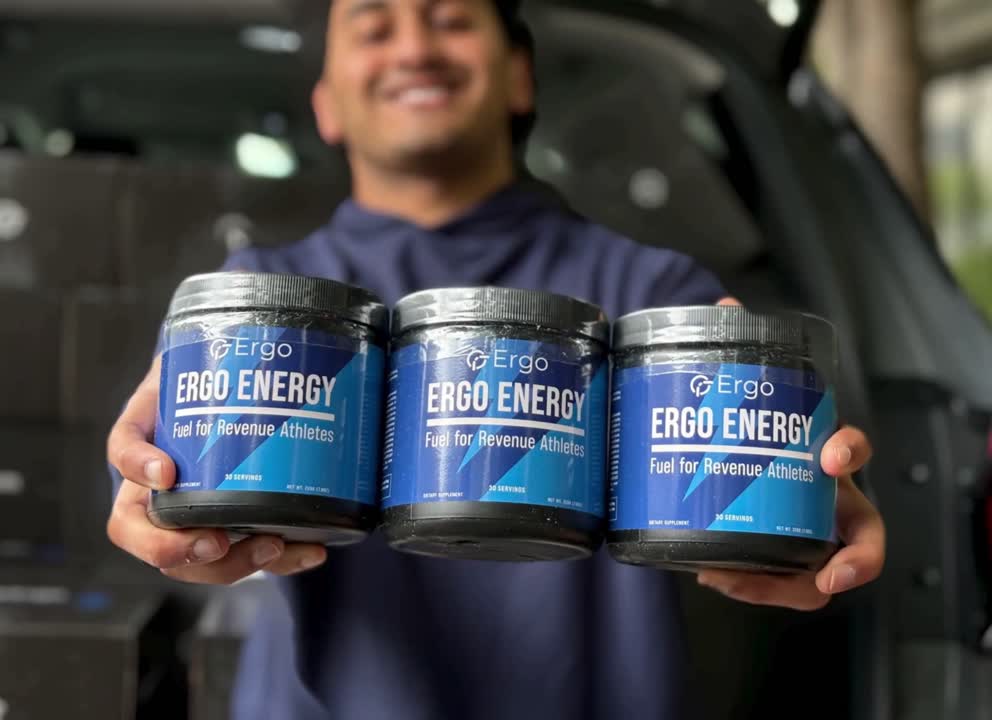
Geography as a hard criterion. Ergo made 500 tubs of branded pre-workout and hand-delivered them to SF startups. That only works because "local, walkable, startup" was the profile. A national list would have made the whole play impossible. Sometimes the most useful ICP criterion is one nobody puts in a template.
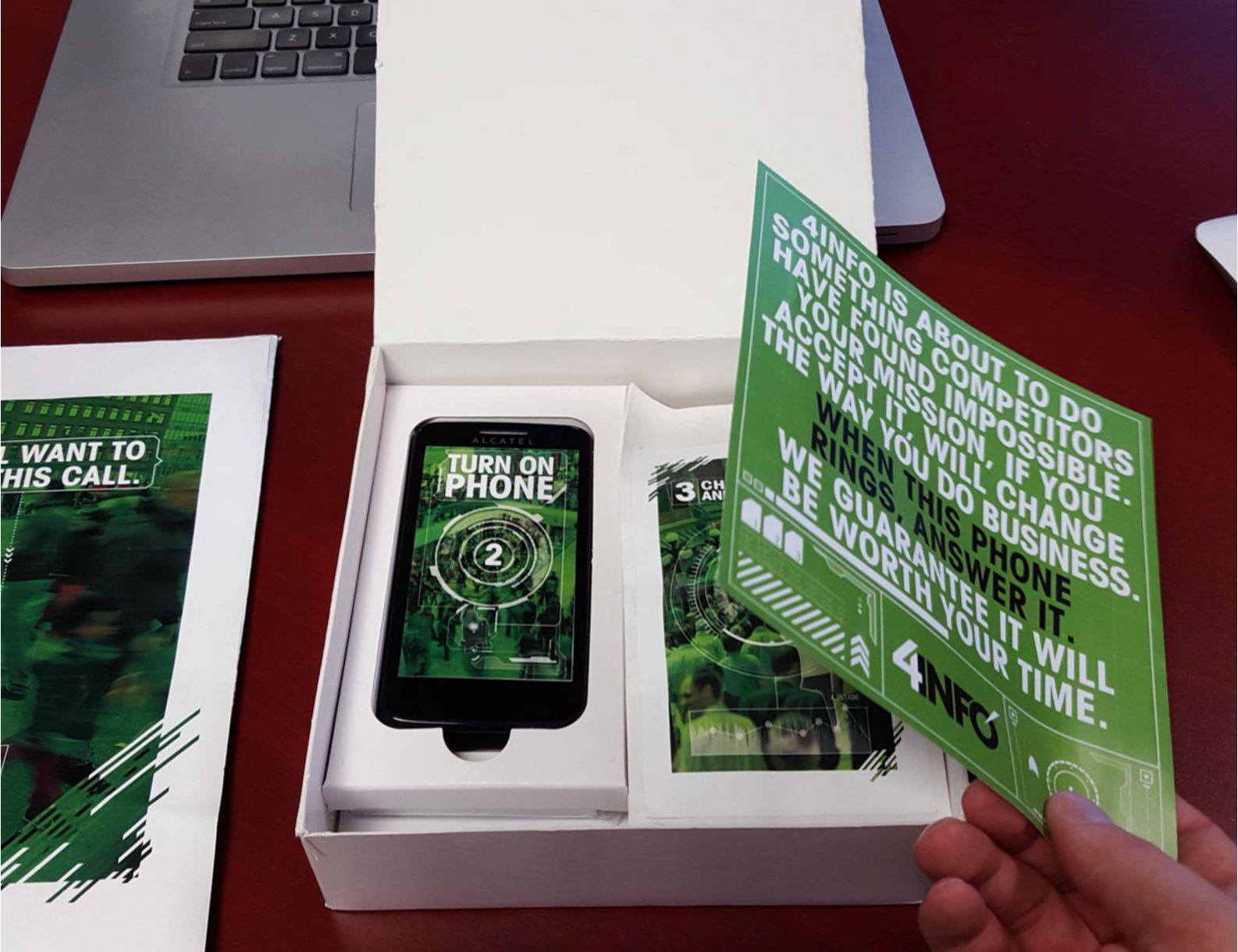
Behavior as the filter. 4info narrowed to 274 senior agency buyers who had specifically ghosted a relevant pitch for six months. Not a firmographic segment. A behavioral one. They mailed each a working phone and booked 77 meetings, roughly $2M in pipeline. The profile was "people who already showed interest and then went quiet," which no firmographic filter would surface.
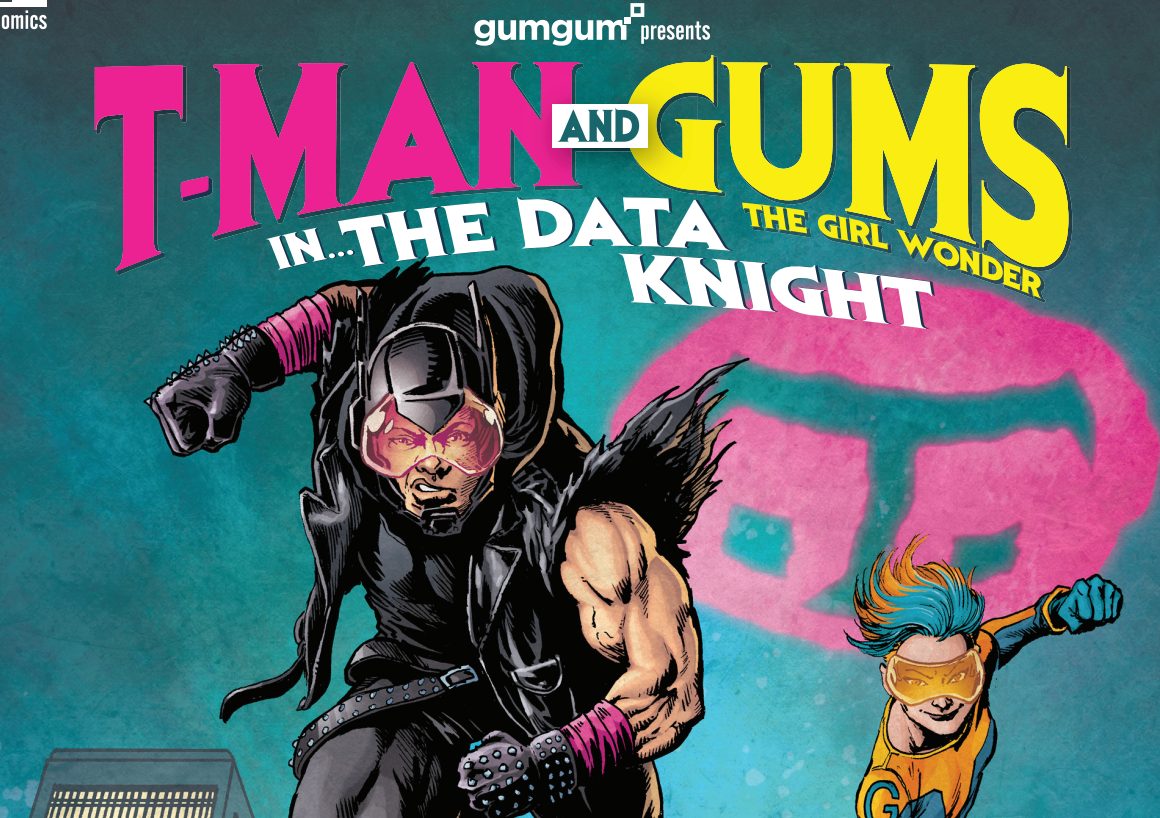
One person as the profile. GumGum got to an ICP of exactly one: T-Mobile's CEO, who was a Batman fan. They built him a custom comic. That is the extreme end of the same logic, and it won the account in days. When the account is big enough, the profile can be a single human being.
For how the profile turns into actual outreach, see account-based marketing.
Sources
- Gartner buying group research, as compiled in Traction Complete, "Mapping the B2B Buying Committee." 2026. https://tractioncomplete.com/articles/mapping-the-b2b-buying-committee/
- Ehrenberg-Bass Institute for Marketing Science. "The 95:5 rule is the new 60:40 rule." 2025. https://marketingscience.info/news-and-insights/the-955-rule-is-the-new-6040-rule
- uglyGTM. "8 Unconventional Account Based Marketing Real Examples." 2026. https://www.uglygtm.com/blog/account-based-marketing-examples
Real plays that use Ideal customer profile




FAQ
- What is the difference between an ICP and a buyer persona?
- An ICP describes the company: size, industry, tech stack, structure, trigger events. A persona describes a human inside it: their role, priorities, and what they get yelled at about. You need both. The ICP decides which doors to knock on, the persona decides what to say when someone answers.
- How many customers do you need before you can build an ICP?
- Enough that a pattern is real rather than a coincidence. Around 20 to 30 closed-won accounts with a few renewals behind them is a reasonable floor. Under ten, you are not finding a pattern, you are describing your first ten customers and calling it strategy.
- What is the difference between ICP and TAM?
- TAM is every company that could theoretically buy. ICP is the subset you actually want. TAM is a slide for investors. ICP is an operating filter your reps use on a Tuesday. Confusing the two is how target lists end up with 4,000 logos on them.
- How often should you update your ICP?
- Review quarterly, rewrite when the data forces it. Product changes, pricing changes, and a run of surprising wins or churn are all triggers. An ICP nobody has revisited in two years is a historical document, not a targeting tool.
- Should an ICP include negative criteria?
- Yes, and most skip it. Disqualifiers are the most useful part of the document: the industries where you always lose, the team structures your product fights against, the deal sizes that eat support hours. Reps use the exclusion list far more than the inclusion list.
Related terms
Account-based marketing
Account-based marketing is a B2B strategy that treats a defined list of high-value companies as individual markets, building outreach around the specific people inside them instead of chasing individual leads.
Intent data
Intent data is behavioral signal indicating that a company or person is actively researching a product category, used to prioritize which accounts to contact and when.
Demand generation
Demand generation is the marketing discipline of creating awareness and interest in a category across an entire market, then capturing that interest when buyers are ready to act.
Go-to-market strategy
A go-to-market strategy is the plan for how a company reaches and sells to a specific set of buyers, covering who you target, how you position and price the product, and which motion you sell through.