
Founder-led sales
Also called: Founder-led growth, Founder selling, Early-stage sales
Founder-led sales is the stage where a founder personally runs the sales motion, taking the calls and closing the deals, before any repeatable process or sales hire exists.
What is Founder-led sales?
Founder-led sales is the founder doing the selling personally, before a process or a rep exists. It works because a founder can change the product mid-conversation, which no rep can. The mistake is hiring out of it too early, before anyone has written down why deals actually close.
What is founder-led sales?
Founder-led sales is the phase where the founder is the sales team. They find the prospects, take the calls, write the proposals, handle objections, and close. There is no playbook because the playbook is being discovered in real time.
It is a stage rather than a strategy, and the point of the stage is learning. A founder in a sales call can do three things a rep structurally cannot:
- Change the product. A founder can hear an objection and decide to build the answer that afternoon.
- Make a promise that binds the company. Pricing, roadmap, terms. No approvals.
- Hear the real objection. People say different things to the person who built the thing than to someone paid to sell it.
Those advantages disappear the day you hire a rep, which is why the sequence matters. The founder's job is not just to close early deals, it is to extract the pattern that makes the deals closeable by somebody else.
The failure mode has a shape. A founder closes the first twenty accounts on force of personality and genuine expertise, hires two AEs, hands them a deck, and revenue flattens. Nothing was written down, because charisma is hard to document and the founder never had to articulate why the pitch worked. The company then spends a year rebuilding knowledge it already had.
How to run founder-led sales without screwing it up
- Sell to people you can reach in person. Proximity beats process at this stage. Ergo made 500 tubs of branded pre-workout and hand-delivered them to more than 50 SF startups, and about half booked a demo with no sequence behind it.
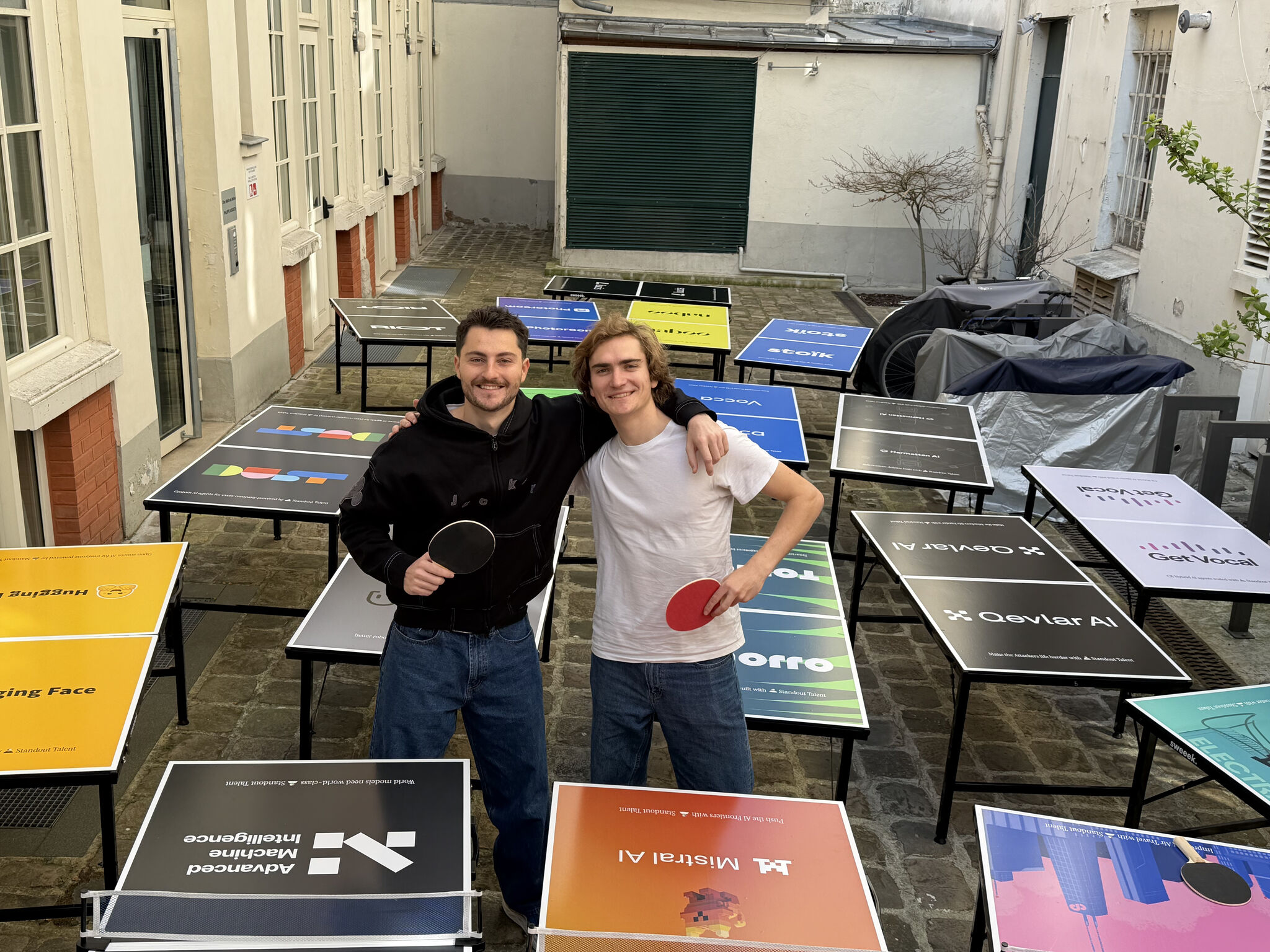
- Do things that do not scale on purpose. Standout carried 20 ping pong tables into Paris startups unannounced, table under the arm. That works exactly once, at exactly this stage, and it teaches you who says yes.
- Use the founder as the distribution channel. Dagobert Renouf sold logo placements on his own wedding suit to 26 startups, and Tijs Nieuwboer coded an app by voice while running a marathon and ended up on national television. Founders can do things a company cannot.
- Put the belief in public. Air handwrote its core conviction and ran it in the New York Times, earning coverage in Ad Age and elsewhere. Founder conviction is a genuine asset while the brand has none.
- Write down every objection and every close. This is the actual deliverable of the stage. A rolling document of what people push back on and what made them sign is worth more than the early revenue.
- Watch the calendar. Founder-led sales quietly consumes the entire week. If the founder has stopped doing anything else for two quarters, the stage has outlived its purpose.
When is founder-led sales a bad idea?
You are past the learning. Once the objections repeat and the close is predictable, the founder is doing a job someone else could do better, and the constraint has moved.
The founder cannot sell and will not learn. Not every founder can do this, and forcing it produces slow damage. Hiring a strong first commercial person early is a legitimate answer.
Your motion is genuinely self-serve. If people sign up with a card and expand on their own, founder-led sales is a distraction from the product work that actually drives growth.
Nothing is being documented. A founder closing deals and recording nothing is generating revenue and no institutional knowledge, which makes the eventual handoff worse the longer it runs.
Deals are closing for the wrong reason. If accounts sign because they like the founder rather than because they need the product, you are validating charisma and calling it product-market fit.
Examples of founder-led motions in the wild
Walking the product through the front door. Ergo's 500 tubs of pre-workout turned local geography into a 50% demo rate with no sequence.
Ping pong tables under the arm. Standout hand-delivered 20 tables to hot Paris startups by showing up unannounced.
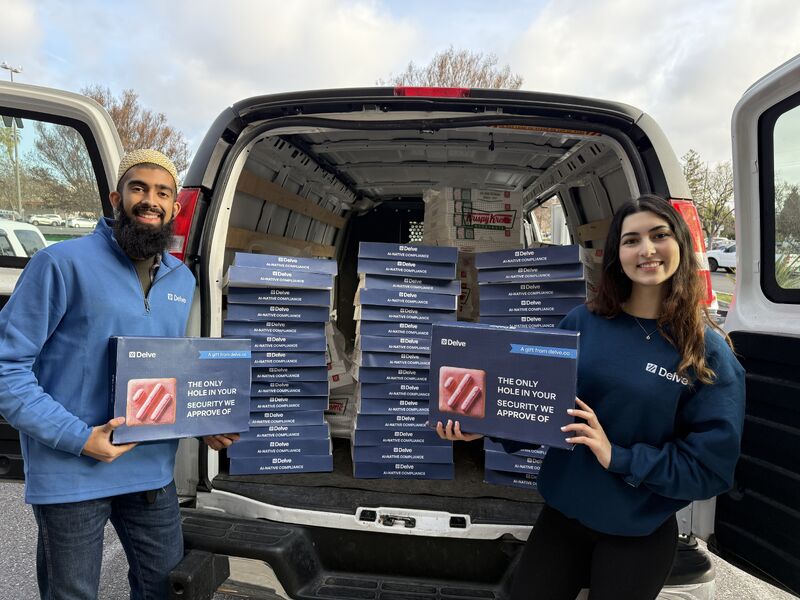
Donuts to every startup office in town. Delve's branded box run drove 4x average demo volume and about $1M in ARR, with the founder's post about it reaching 157,000 people.
A wedding suit as ad inventory. Dagobert Renouf signed 26 startups onto his own suit, raising about 10,000 euros and a global argument.
A founder's belief in the New York Times. Air's handwritten letter earned pickup from Ad Age, Mediabistro, and It's Nice That.
Coding through a marathon. Tijs Nieuwboer's 42km build shipped a working app and landed national TV coverage.
Sources
- uglyGTM play library. 2026. https://www.uglygtm.com
Real plays that use Founder-led sales










FAQ
- What is founder-led sales?
- Founder-led sales is the stage where the founder personally runs the sales motion, finding prospects, taking calls, and closing deals before any repeatable process or sales hire exists. It is a phase rather than a permanent strategy, and its purpose is learning.
- Why does founder-led sales work?
- A founder can do three things a rep cannot: change the product in response to an objection, make binding promises on pricing and roadmap without approvals, and hear the real objection, because people speak differently to the person who built the thing.
- When should a founder stop selling?
- When the objections start repeating and the close becomes predictable. At that point the pattern exists and the founder is doing a job somebody else could do better. Watch the calendar too: if the founder has done nothing else for two quarters, the stage has run long.
- What is the biggest mistake in founder-led sales?
- Not writing anything down. Founders close early deals on expertise and personality, hire reps, hand over a deck, and watch revenue flatten because nobody documented why deals actually closed. The rolling objection and close log is the real output of this stage.
- How do you transition out of founder-led sales?
- Document objections and closes as you go, hire when the pattern is repeatable rather than when you are busy, have the first rep shadow real calls instead of reading a deck, and keep the founder in deals selectively for a quarter or two after the hire.
Related terms
Ideal customer profile
An ideal customer profile is a description of the company types that get the most value from your product and are the cheapest for you to win, keep, and grow.
Outbound prospecting
Outbound prospecting is initiating contact with buyers who have not raised their hand, using email, calls, social, or physical touches to start a conversation the buyer did not ask for.
Field marketing
Field marketing is marketing that happens in person in a specific place, covering events, conferences, local activations, and hand-delivered campaigns aimed at a defined set of accounts or a defined region.
Demand generation
Demand generation is the marketing discipline of creating awareness and interest in a category across an entire market, then capturing that interest when buyers are ready to act.
Go-to-market strategy
A go-to-market strategy is the plan for how a company reaches and sells to a specific set of buyers, covering who you target, how you position and price the product, and which motion you sell through.